 EN
EN

A New Approach to Bright and Comfortable Living
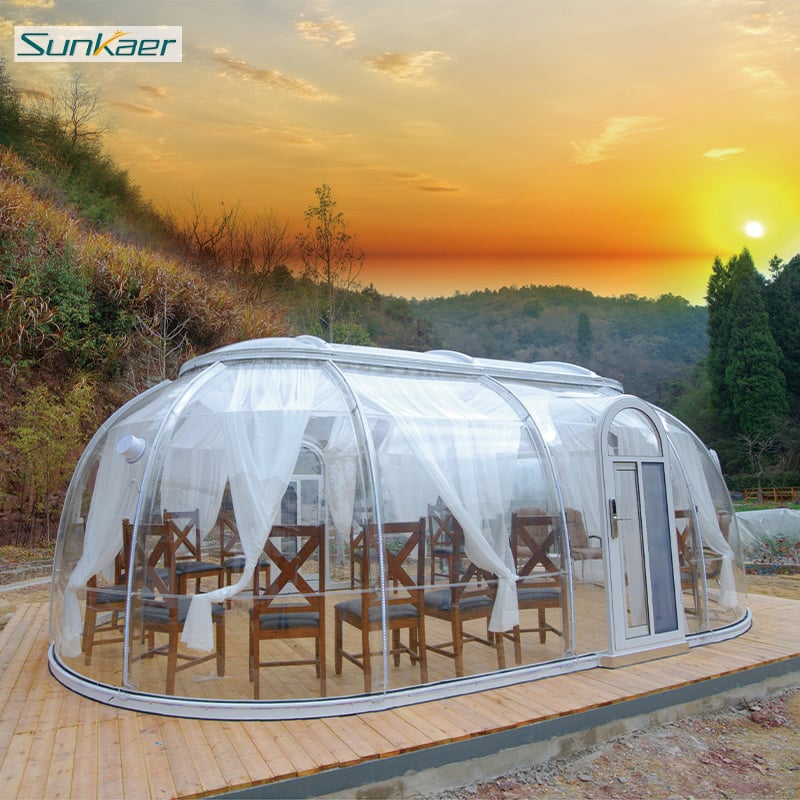
In recent years, the Polycarbonate Bubble House has become a highly discussed solution among architects, designers, and eco-conscious homeowners. Its unique spherical form and transparent structure create a living space that feels open, bright, and visually connected to the surrounding environment. The Polycarbonate Bubble House combines modern materials with lightweight architecture, allowing people to experience nature more closely while enjoying strong insulation and durability. Because polycarbonate material supports excellent daylight transmission, weather resistance, and structural stability, it has quickly become the preferred choice for those seeking both creativity and practicality in housing design. As more people consider alternatives to traditional buildings, the Polycarbonate Bubble House offers a refreshing balance between functionality and aesthetic appeal, especially for environmentally focused lifestyles.
Energy Efficiency in a Polycarbonate Bubble House
Thermal Regulation Benefits
The Polycarbonate Bubble House provides impressive thermal performance due to the naturally curved structure and the properties of polycarbonate material. The spherical design minimizes the surface area through which heat can escape, allowing the interior to maintain a more balanced temperature throughout the day. When sunlight enters the Polycarbonate Bubble House, the material helps retain warmth without causing excessive heat buildup, creating a stable indoor environment. Even in colder seasons, the insulation efficiency contributes to reduced energy consumption, helping residents rely less on artificial heating systems. This balance makes a Polycarbonate Bubble House a practical choice for those seeking a sustainable living option with lower long-term operating costs. The combination of shape and material works seamlessly to provide comfort in different climates.
Reduced Dependence on Artificial Lighting
Another significant advantage of a Polycarbonate Bubble House is the ability to use natural daylight effectively. The translucent qualities of polycarbonate allow gentle, evenly distributed light to enter the interior, reducing the need for artificial lighting during daytime hours. This not only lowers electricity usage but also creates a more pleasant living environment with softer natural illumination. The continuous natural light inside a Polycarbonate Bubble House enhances visual comfort and supports overall well-being. Homes relying less on artificial lighting also tend to have reduced energy bills and a smaller environmental footprint. Over time, this contributes to long-term sustainability while maintaining a bright and inviting atmosphere indoors.
Strength and Durability of a Polycarbonate Bubble House
Weather Resistance Advantages
A Polycarbonate Bubble House is designed to withstand various harsh environmental conditions thanks to the strength of polycarbonate material. The structure resists heavy winds, impacts, and pressure changes without deforming easily. This resilience makes it a suitable choice for regions prone to storms, strong wind patterns, or fluctuating temperatures. The curved shape disperses external force more effectively than flat-surfaced buildings, adding an extra layer of stability. Whether installed in coastal areas, mountainous regions, or open fields, the Polycarbonate Bubble House remains reliable and secure. Its durability extends the lifespan of the building, reducing maintenance efforts and ensuring that residents enjoy a stable living environment.
UV Protection and Long-Term Performance
Polycarbonate is known for its excellent UV resistance, and this feature greatly benefits a Polycarbonate Bubble House. The material filters harmful ultraviolet rays while still allowing generous amounts of natural light to pass through. This prevents interior fading, reduces damage to furniture, and protects the occupants. Over time, UV-resistant polycarbonate maintains clarity and does not yellow easily, ensuring that the Polycarbonate Bubble House continues to look attractive and perform effectively. This long-term reliability is valuable for homeowners seeking low-maintenance lifestyles. By preserving both appearance and functionality, the material ensures that the bubble house remains a bright, safe, and comfortable space for years without frequent repairs or replacements.
Enhanced Living Experience in a Polycarbonate Bubble House
Visual Connection with Nature
One of the most distinctive qualities of a Polycarbonate Bubble House is the seamless connection it creates between indoor and outdoor environments. The translucent walls offer panoramic views that bring natural scenery closer to the residents. This type of immersive experience can enhance relaxation and encourage more mindful living. The Polycarbonate Bubble House allows people to enjoy natural surroundings without compromising comfort or protection. Whether placed in a garden, forest, or remote landscape, the structure helps occupants feel more integrated with nature. This visual openness also makes compact living spaces feel larger, providing a unique spatial experience that traditional structures cannot achieve.
Health and Well-Being Benefits
Living in a Polycarbonate Bubble House supports physical and mental well-being through increased natural light exposure and improved airflow. Studies have shown that natural daylight can improve mood, regulate sleep patterns, and enhance overall health. The bubble house design encourages fresh air circulation due to its open layout and customizable ventilation options. The Polycarbonate Bubble House helps create a calm environment with a soothing atmosphere, ideal for personal retreats, meditation spaces, or eco-friendly accommodations. The combination of natural illumination and gentle airflow contributes to a healthier living space, supporting a more balanced and revitalizing lifestyle for its occupants.
Adaptability and Design Flexibility of a Polycarbonate Bubble House
Versatile Applications for Modern Living
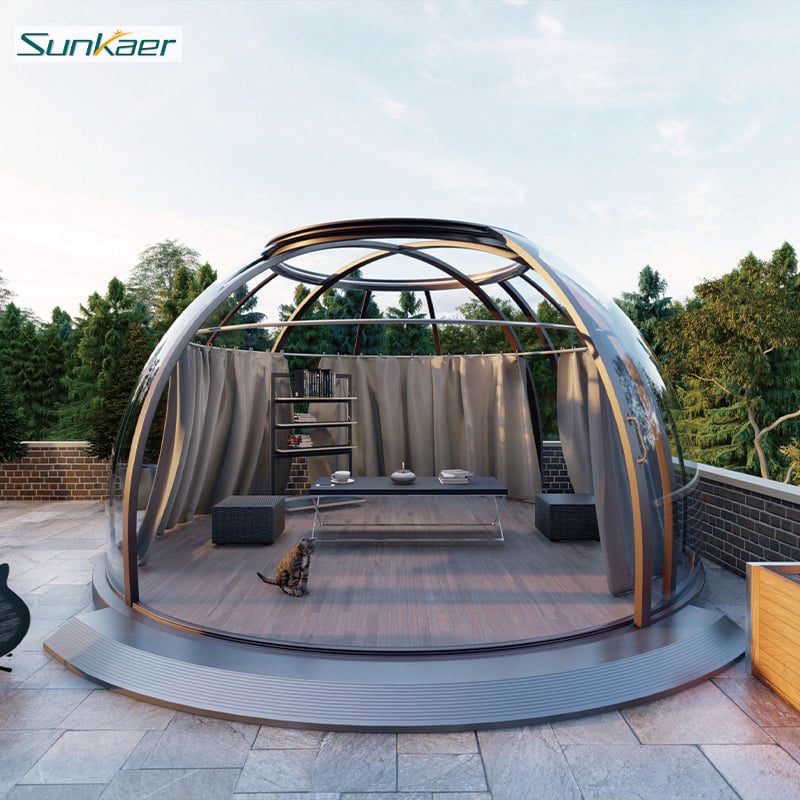
The Polycarbonate Bubble House is extremely versatile, making it suitable for a wide range of applications beyond residential living. It can serve as a guest room, outdoor lounge, studio, greenhouse, or even a transparent workspace surrounded by nature. Its modular design allows easy installation in different locations without requiring heavy construction equipment. A Polycarbonate Bubble House can also be relocated when needed, offering flexibility that traditional buildings lack. This adaptability is especially appealing for users who enjoy creative lifestyles or frequently reconfigure their spaces. By serving multiple functions, the Polycarbonate Bubble House becomes a valuable addition to various environments.
Customizable Layout and Interior Experience
Polycarbonate Bubble House designs allow homeowners to personalize interior layouts based on their preferences. Whether creating a minimalist sleeping area, designing a cozy reading corner, or arranging a functional micro-studio, the bubble structure provides freedom to experiment. Interior elements can be rearranged easily due to the open spherical shape. Additionally, lighting, furniture, and décor can be tailored to complement the soft natural glow inside the Polycarbonate Bubble House. This creative freedom enables each bubble house to become a unique and expressive space. Users can adjust the environment based on seasonal needs, lifestyle changes, or aesthetic preferences, reinforcing the value of flexible architecture.
Sustainability Advantages of a Polycarbonate Bubble House
Eco-Conscious Material Properties
Polycarbonate is a recyclable material, making the Polycarbonate Bubble House an environmentally responsible choice. Its lightweight nature reduces transportation energy consumption, and the construction process generates less waste compared to traditional building methods. Because a Polycarbonate Bubble House relies heavily on natural light and insulation efficiency, it reduces long-term energy usage, contributing to lower carbon emissions. The combination of durability and sustainability helps homeowners adopt a more eco-friendly lifestyle. By choosing recyclable materials and energy-efficient designs, the Polycarbonate Bubble House supports environmentally conscious living practices.
Reduced Resource Consumption
A Polycarbonate Bubble House requires fewer structural supports and uses less material overall due to its spherical form. This efficient use of resources leads to a smaller environmental footprint. The energy savings achieved through natural lighting and thermal insulation further enhance its sustainability profile. A Polycarbonate Bubble House also needs minimal maintenance, reducing the need for chemical cleaning agents or frequent material replacements. This resource-efficient approach aligns with modern sustainability goals while providing a durable and appealing living environment. Over time, the reduced consumption of materials and energy helps create a more sustainable housing solution.
FAQ
How long does a polycarbonate bubble house typically last
Quality polycarbonate bubble house structures are designed for decades of service life when properly maintained. The UV-resistant polycarbonate panels maintain their structural integrity and optical clarity for 15-25 years under normal conditions, with many installations exceeding these timeframes. The actual lifespan depends on environmental exposure, maintenance practices, and initial material quality.
What climate conditions can these structures withstand
Polycarbonate bubble house designs are engineered to withstand a wide range of climate conditions including strong winds, snow loads, temperature extremes, and UV exposure. Properly designed structures can typically handle wind speeds up to 80-100 mph and snow loads according to local building codes. The thermal properties allow comfortable use in temperatures ranging from -40°F to 120°F.
How do you control temperature inside a bubble house
Temperature control in polycarbonate bubble house structures combines natural thermal properties with optional mechanical systems. The insulating properties of multi-wall panels help maintain stable temperatures, while ventilation systems can be integrated for air circulation. Additional heating or cooling can be provided through compact HVAC systems, radiant heating, or portable units as needed.
Are permits required for bubble house installation
Permit requirements for polycarbonate bubble house installation vary by location and intended use. Temporary installations may require minimal permitting, while permanent structures typically need building permits and must comply with local codes. Many manufacturers provide engineering documentation and support to facilitate the permitting process. Always consult local authorities before installation to ensure compliance.
Table of Contents
- A New Approach to Bright and Comfortable Living
- Energy Efficiency in a Polycarbonate Bubble House
- Strength and Durability of a Polycarbonate Bubble House
- Enhanced Living Experience in a Polycarbonate Bubble House
- Adaptability and Design Flexibility of a Polycarbonate Bubble House
- Sustainability Advantages of a Polycarbonate Bubble House
- FAQ