 EN
EN

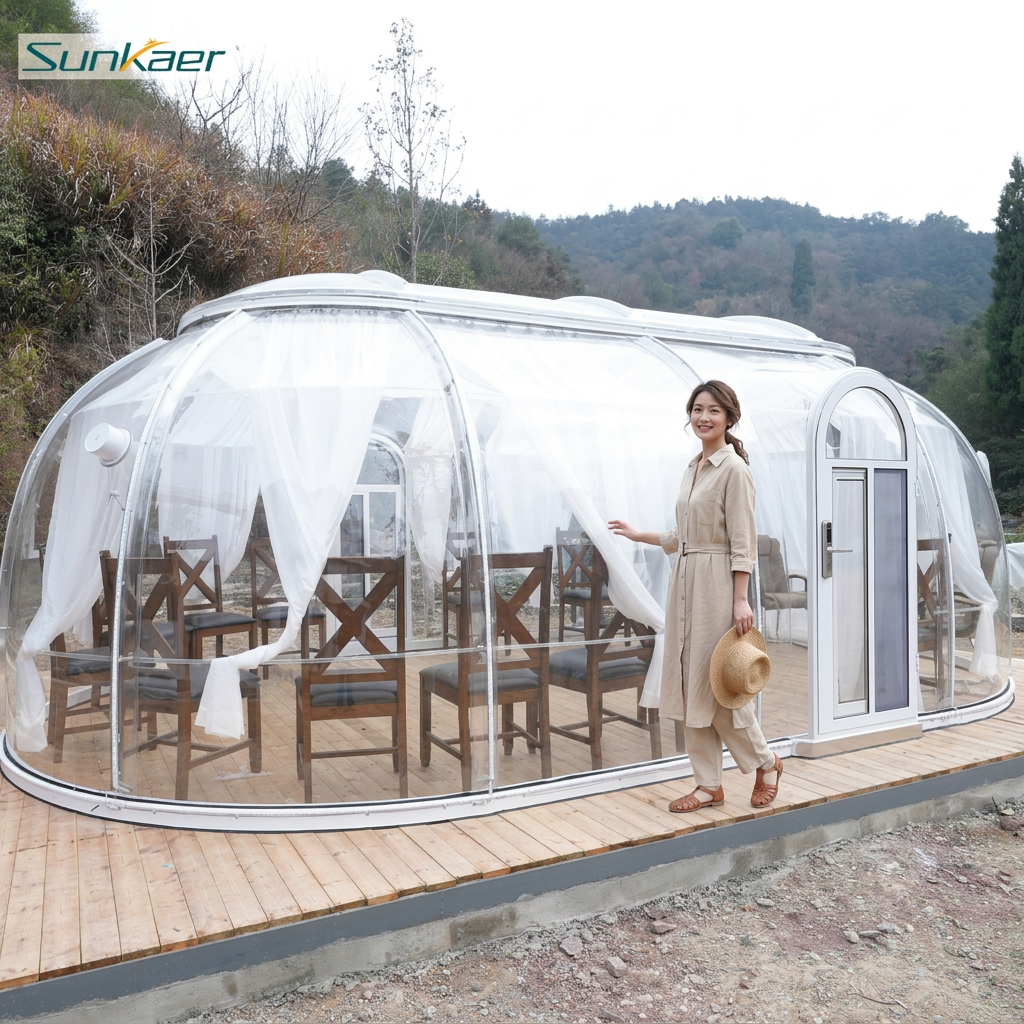
Choosing between a dome house and a traditional cabin for your backyard is not just a matter of style, but a decision that affects long-term cost, maintenance, durability, and overall living experience. A dome house represents a modern approach to outdoor structures, combining advanced materials and innovative design, while a cabin reflects a more traditional, rustic lifestyle rooted in wood construction and enclosed spaces. Understanding the differences between these two options is essential for making the right investment.
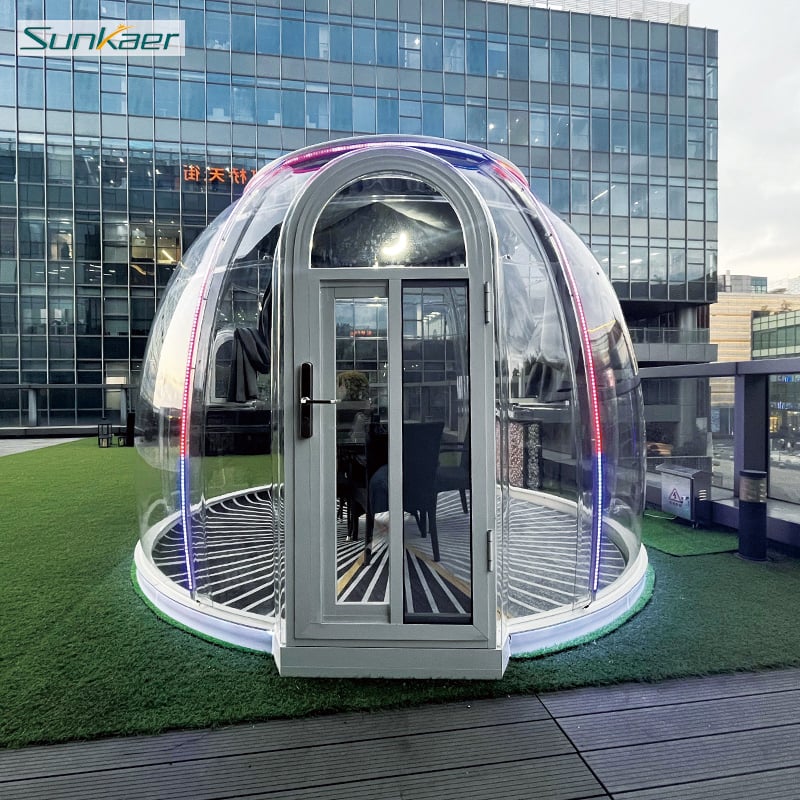
As backyard spaces evolve into multifunctional environments for relaxation, work, and entertainment, the choice between a dome house and a cabin becomes increasingly relevant. Each option offers unique advantages depending on your priorities, whether that is energy efficiency, aesthetics, durability, or ease of installation. This comparison will help clarify which solution aligns best with your needs.
Construction Materials and Structural Design
Polycarbonate and Aluminum in a Dome House
A dome house is typically constructed using polycarbonate panels supported by an aluminum frame. This combination offers high strength while remaining lightweight, allowing the dome house to withstand harsh environmental conditions such as strong winds, heavy snow, and hail. The geometric structure of a dome house distributes stress evenly, reducing the risk of structural failure.
In addition, polycarbonate panels used in a dome house are highly impact-resistant and provide excellent insulation. This makes the dome house suitable for year-round use, even in challenging climates.
Wood and Shingles in a Traditional Cabin
A traditional cabin relies on wood as its primary construction material, often combined with shingles for roofing. While wood provides a natural and warm aesthetic, it is more susceptible to environmental damage. Moisture, insects, and temperature fluctuations can affect the structural integrity of a cabin over time.
Compared to a dome house, a cabin requires more protective treatments to maintain its condition, making material choice a key factor in long-term performance.
Cost Comparison and Long-Term Investment
Initial Investment and Installation Costs
The upfront cost of a dome house can be competitive with or even lower than that of a traditional cabin, depending on size and customization. A prefab dome kit simplifies the process, reducing labor costs significantly. A dome house can often be assembled within hours, minimizing installation expenses.
In contrast, building a cabin involves more complex construction processes, which can increase both time and labor costs. This makes the dome house an attractive option for those seeking efficiency and speed.
Maintenance and Lifetime Costs
Over time, a dome house generally incurs lower maintenance costs. Its materials are resistant to weathering and require only occasional cleaning. A cabin, however, demands regular upkeep, including painting, sealing, and repairs to prevent rot or insect damage.
When considering total cost of ownership, a dome house often proves to be more economical due to reduced maintenance and longer lifespan.
Durability and Weather Resistance
All-Weather Performance of a Dome House
A dome house is designed to handle extreme weather conditions. Its curved shape reduces wind resistance, while polycarbonate panels provide exceptional impact strength. Many dome house structures come with warranties such as a 30-year aluminum frame guarantee, highlighting their durability.
This resilience makes the dome house ideal for regions with unpredictable weather, ensuring consistent performance and safety.
Vulnerability of Traditional Cabins
While cabins can be sturdy, they are more vulnerable to environmental factors. Prolonged exposure to moisture can lead to wood decay, and insects can compromise structural integrity. Snow accumulation on flat or angled roofs can also pose challenges.
Compared to a dome house, a cabin requires more attention to maintain its durability over time.
Aesthetics, Light, and Living Experience
360° Views and Natural Light in a Dome House
One of the most appealing aspects of a dome house is its ability to provide panoramic views and abundant natural light. The transparent or semi-transparent panels create an open and immersive environment, enhancing the overall living experience. A dome house transforms a backyard into a unique and modern space.
This design also contributes to energy efficiency by reducing the need for artificial lighting during the day.
Traditional Comfort of a Cabin
A cabin offers a more enclosed and private atmosphere, which appeals to those who prefer a classic aesthetic. The use of wood creates a cozy and familiar environment, making cabins a popular choice for traditional outdoor living.
However, compared to a dome house, cabins provide less natural light and fewer opportunities for outdoor integration.
Installation Time and Practical Use Cases
Fast Assembly with Prefab Dome Kits
A major advantage of a dome house is its quick installation process. Prefabricated components allow a dome house to be assembled in just a few hours with minimal tools. This efficiency makes it accessible for homeowners and businesses alike.
For those interested in modern solutions, exploring a dome house can provide insight into available configurations and customization options.
Time-Intensive Cabin Construction
Building a cabin typically requires several days or even weeks, depending on complexity. The process involves multiple مراحل including foundation work, framing, roofing, and finishing. This longer timeline can delay usability and increase overall costs.
In comparison, a dome house offers immediate functionality, making it a more convenient choice for many users.
FAQ
Is a dome house more durable than a cabin?
Yes, a dome house is generally more durable due to its polycarbonate panels and aerodynamic structure, which provide resistance to harsh weather conditions.
Which option requires less maintenance?
A dome house requires significantly less maintenance compared to a cabin, as it does not need regular painting or sealing.
Is a dome house suitable for year-round use?
A dome house is designed for all-season use, offering insulation and weather resistance that support comfortable living throughout the year.
Which is better for a modern backyard design?
A dome house is often preferred for modern backyard designs due to its unique appearance, natural lighting, and low-maintenance features.