 EN
EN

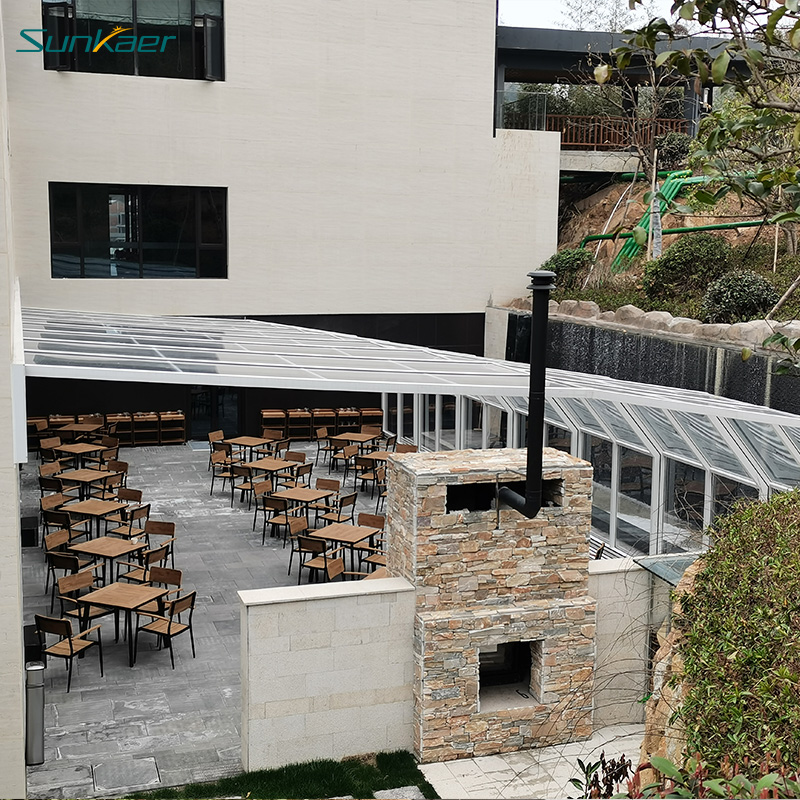
Choosing between retractable sunrooms and fixed sunrooms represents one of the most significant decisions homeowners face when expanding their outdoor living space. Both options offer unique advantages for extending your home's usable area while providing protection from the elements. Understanding the fundamental differences between these two approaches will help you make an informed decision that aligns with your lifestyle, budget, and long-term goals for your outdoor space.
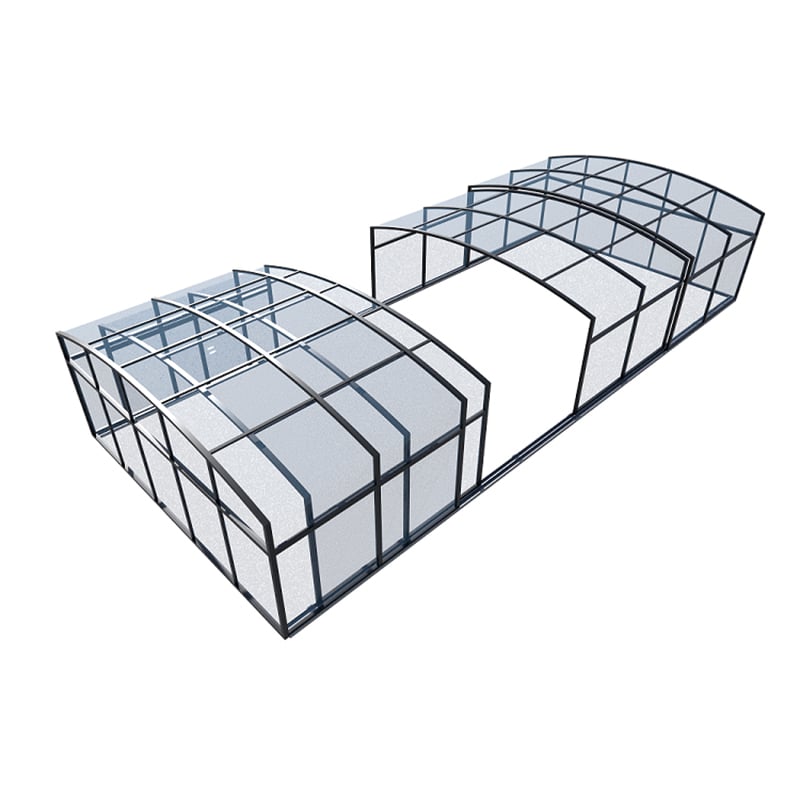
Understanding Retractable Sunroom Technology
Innovative Design Features
Retractable sunrooms incorporate sophisticated engineering that allows homeowners to transform their outdoor space at will. These systems typically feature aluminum frames with tempered glass or polycarbonate panels that can slide, fold, or retract completely. The mechanical components include precision tracks, weather-resistant seals, and smooth-operating mechanisms that ensure reliable performance across varying weather conditions. Modern retractable sunrooms often integrate motorized systems that enable effortless operation with the touch of a button, making the transition between enclosed and open-air spaces seamless.
The versatility of retractable sunrooms extends beyond simple opening and closing mechanisms. Many systems offer partial retraction capabilities, allowing homeowners to customize their level of enclosure based on current weather conditions or personal preferences. This adaptability makes retractable sunrooms particularly attractive for regions with variable climates where weather patterns change frequently throughout the day or season.
Materials and Construction Quality
Premium retractable sunrooms utilize aerospace-grade aluminum extrusions that provide exceptional strength while maintaining lightweight properties essential for smooth operation. The glazing options range from single-pane tempered glass for basic weather protection to insulated double-pane units that offer enhanced thermal performance. High-quality weatherstripping and precision-engineered sealing systems ensure these structures remain watertight when closed while allowing for proper drainage when extended.
Manufacturers of leading retractable sunrooms invest heavily in corrosion-resistant finishes and UV-stable materials that maintain their appearance and functionality over decades of use. The integration of stainless steel hardware and marine-grade components ensures reliable operation even in coastal environments where salt exposure presents additional challenges to outdoor structures.
Fixed Sunroom Advantages and Characteristics
Structural Permanence and Stability
Fixed sunrooms offer unmatched structural integrity through permanent foundation connections and robust framing systems designed to withstand severe weather conditions. These enclosed spaces typically feature conventional construction methods similar to home additions, with insulated walls, proper electrical systems, and HVAC integration possibilities. The permanent nature of fixed sunrooms allows for enhanced customization options including built-in furniture, sophisticated lighting systems, and climate control features that transform the space into a true year-round living area.
The structural advantages of fixed sunrooms become particularly apparent in regions prone to severe weather events. These permanent installations can be engineered to meet local building codes for wind loads and snow loads, providing peace of mind during storms while maintaining comfortable interior conditions. Unlike retractable alternatives, fixed sunrooms eliminate concerns about mechanical failure during adverse weather conditions.
Insulation and Climate Control
Fixed sunrooms excel in thermal performance through comprehensive insulation packages that include insulated roof systems, thermal-break window frames, and proper vapor barriers. This superior insulation capability enables year-round comfort and significantly reduces energy costs associated with heating and cooling the extended living space. Many fixed sunrooms integrate seamlessly with existing home HVAC systems, ensuring consistent temperature control throughout all seasons.
The climate control advantages of fixed sunrooms extend beyond basic heating and cooling. These spaces can accommodate advanced ventilation systems, humidity control equipment, and even radiant heating systems embedded in the flooring. Such comprehensive climate management makes fixed sunrooms suitable for housing sensitive plants, creating home offices, or establishing entertainment areas that remain comfortable regardless of external weather conditions.
Cost Analysis and Investment Considerations
Initial Investment Comparison
The upfront costs for retractable sunrooms typically range from moderate to premium pricing depending on the sophistication of the operating mechanisms and the quality of materials selected. Basic manual systems represent the most economical entry point, while fully automated retractable sunrooms with advanced features command premium pricing. The installation complexity for retractable systems often requires specialized contractors familiar with the mechanical components and calibration requirements.
Fixed sunrooms generally involve higher initial construction costs due to foundation requirements, comprehensive framing systems, and the need for electrical and potentially plumbing installations. However, the construction process follows conventional building practices, making qualified contractors more readily available and potentially reducing labor costs. The permanent nature of fixed sunrooms also means they contribute more significantly to property valuations compared to removable alternatives.
Long-term Value and Maintenance
Maintenance requirements for retractable sunrooms focus primarily on the mechanical operating systems, including regular lubrication of tracks and mechanisms, adjustment of weatherstripping, and periodic calibration of automated systems. The moving components require more attention than fixed installations, but modern systems are engineered for minimal maintenance when properly cared for. Quality retractable sunrooms from reputable manufacturers often include comprehensive warranty coverage for mechanical components.
Fixed sunrooms typically require maintenance similar to other permanent home additions, including periodic inspection of roofing systems, window seals, and structural components. The absence of moving parts generally results in lower ongoing maintenance costs, though any required repairs may involve more extensive reconstruction compared to component replacement in retractable systems. The long-term durability of fixed sunrooms often exceeds that of retractable alternatives when considering structural longevity.
Climate Adaptability and Seasonal Considerations
Weather Response Capabilities
Retractable sunrooms demonstrate exceptional adaptability to changing weather conditions through their ability to provide full enclosure during inclement weather while opening completely during pleasant conditions. This flexibility proves invaluable in transitional seasons when weather patterns shift rapidly throughout the day. The ability to partially open retractable sunrooms allows for fine-tuning ventilation and exposure levels based on real-time conditions.
The weather response of retractable sunrooms extends to severe weather preparation, where these systems can be quickly closed and secured when storms approach. Many modern retractable sunrooms include wind sensors that automatically close the structure when dangerous wind speeds are detected, providing protection for both the structure and any furnishings within the enclosed space.
Seasonal Usage Patterns
Fixed sunrooms excel in climates with distinct seasons by providing consistent protection that enables year-round utilization regardless of external conditions. The superior insulation and climate control capabilities make these spaces comfortable during winter months when outdoor activities would otherwise be impossible. This consistent usability often justifies the higher initial investment through extended seasonal enjoyment.
Retractable sunrooms offer unique seasonal advantages by transforming from winter enclosures to summer pavilions, maximizing the connection with outdoor environments during favorable weather. This adaptability appeals to homeowners who prioritize flexibility and wish to maintain the option of completely open outdoor experiences while retaining protection when needed.
Installation Requirements and Structural Considerations
Foundation and Structural Preparation
Installation of retractable sunrooms typically requires level, stable surfaces that can accommodate the track systems and support the structural loads when the system is extended. Many installations utilize existing patios or decks, though proper drainage and structural adequacy must be verified. The installation process usually involves precise measurements and calibration to ensure smooth operation and proper weather sealing.
Fixed sunrooms demand comprehensive foundation work similar to traditional home additions, including footings, foundation walls, and proper integration with existing home structures. This foundation work ensures long-term stability and enables the superior load-bearing capabilities that characterize permanent installations. The structural requirements often necessitate building permits and professional engineering oversight.
Integration with Existing Architecture
The architectural integration of retractable sunrooms can be achieved with minimal impact on existing home exteriors, as these systems often attach to existing structures without requiring extensive modifications. The clean lines and modern aesthetics of quality retractable sunrooms complement contemporary architectural styles while remaining unobtrusive when retracted.
Fixed sunrooms offer unlimited architectural customization possibilities, enabling seamless integration with existing home styles through matching materials, rooflines, and design elements. This comprehensive integration potential makes fixed sunrooms appear as natural extensions of the original home structure rather than obvious additions.
FAQ
How do retractable sunrooms perform in heavy rain and snow conditions
High-quality retractable sunrooms are engineered to handle significant weather loads when properly closed and secured. The aluminum frames and tempered glass panels provide excellent protection from rain, while the drainage systems prevent water accumulation. Snow loads are managed through structural design that meets local building codes, though retractable sunrooms may have lower snow load ratings compared to fixed alternatives due to their mechanical components and operational requirements.
What maintenance is required to keep retractable sunrooms operating smoothly
Regular maintenance for retractable sunrooms includes cleaning the track systems, lubricating moving components according to manufacturer specifications, and inspecting weatherstripping for wear or damage. Automated systems require periodic calibration and motor maintenance, while manual systems need attention to operating hardware and adjustment mechanisms. Most manufacturers recommend professional servicing annually to ensure optimal performance and longevity of the mechanical systems.
Can retractable sunrooms be used year-round in cold climates
Retractable sunrooms can provide year-round functionality in cold climates when equipped with appropriate insulation packages and heating systems. However, their thermal performance typically does not match that of fixed sunrooms due to the mechanical components and sealing challenges inherent in movable systems. Many homeowners in cold climates use retractable sunrooms as three-season spaces, closing them during the harshest winter months while enjoying full functionality during spring, summer, and fall.
How do property values compare between homes with retractable versus fixed sunrooms
Fixed sunrooms generally contribute more significantly to property values due to their permanent nature and classification as living space additions. Retractable sunrooms add value through their versatility and modern appeal, though the contribution may be less than permanent additions. The actual impact on property value depends on local market preferences, the quality of the installation, and how well the addition integrates with the existing home architecture and neighborhood standards.