 EN
EN

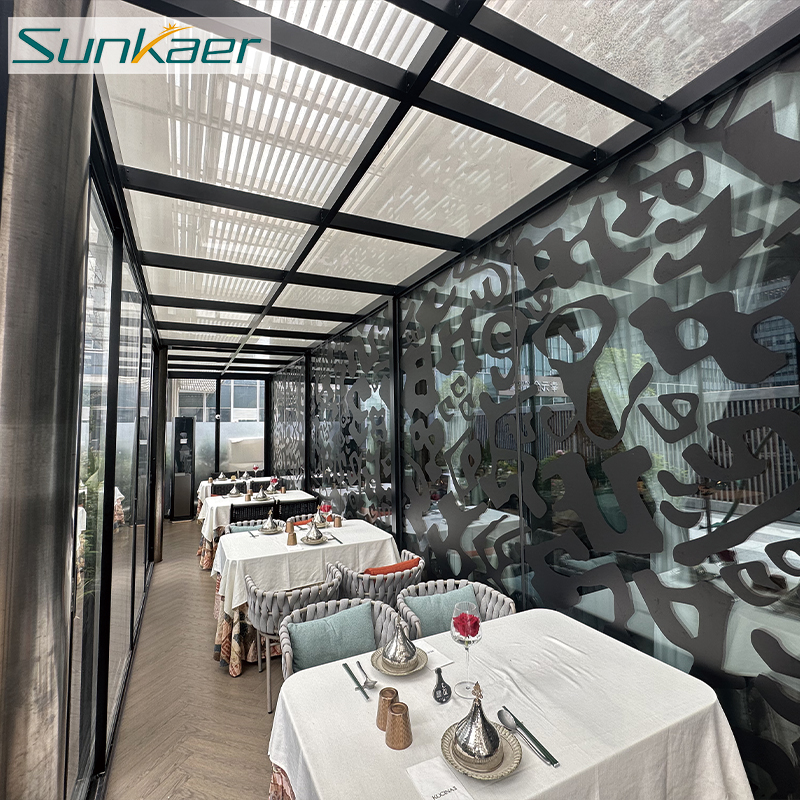
Choosing between a telescopic sunroom and a fixed sunroom represents one of the most significant decisions homeowners face when expanding their living space. While both options extend your home's usable area and create a seamless indoor-outdoor experience, they serve distinctly different lifestyle needs and offer unique advantages. The telescopic sunroom provides dynamic adaptability with its retractable panels that can open and close based on weather conditions and personal preferences, while fixed sunrooms deliver permanent year-round protection with consistent climate control capabilities.
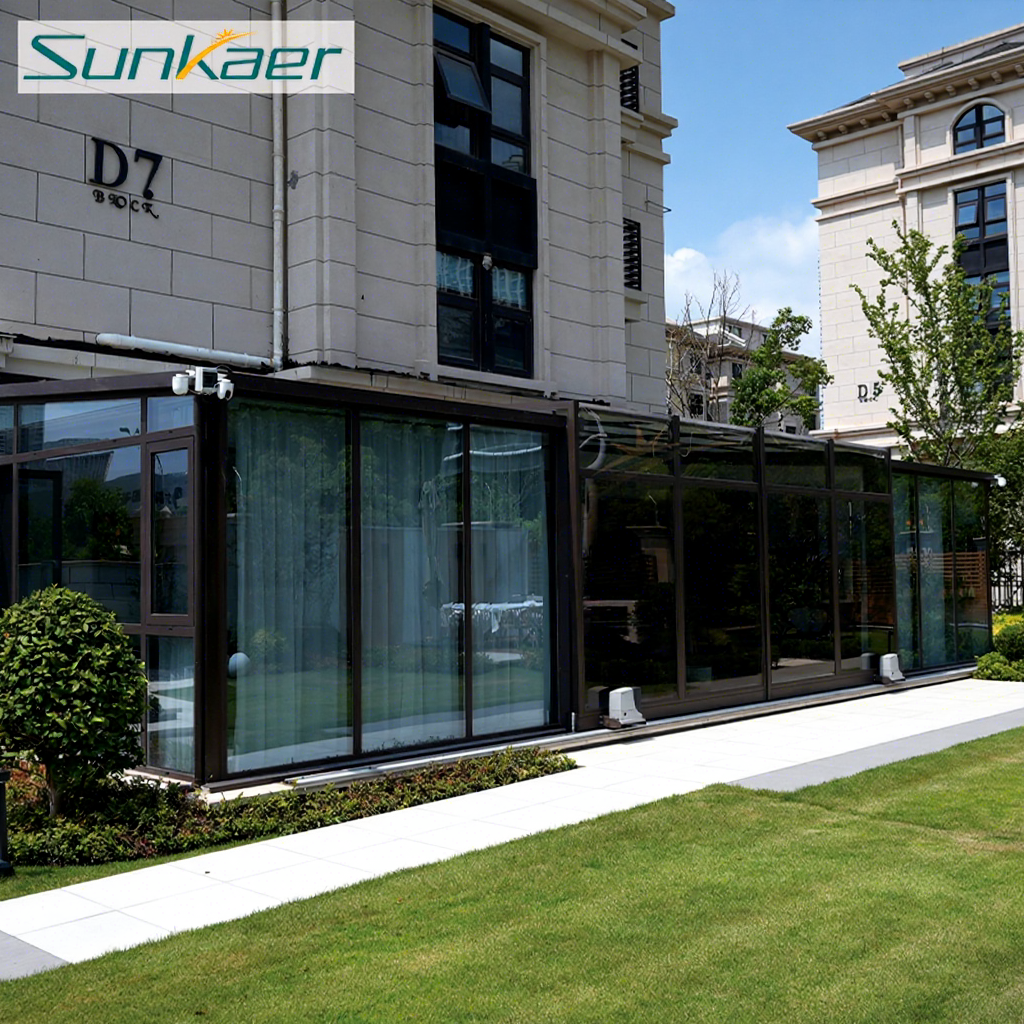
Understanding the fundamental differences between these two sunroom types involves examining their construction methods, operational flexibility, maintenance requirements, and long-term value propositions. Your decision will ultimately depend on factors such as your local climate patterns, intended usage frequency, budget considerations, and personal preferences regarding indoor-outdoor living experiences. This comprehensive comparison will guide you through the essential characteristics of each option, helping you make an informed choice that aligns with your specific home improvement goals and lifestyle requirements.
Understanding Telescopic Sunroom Features and Benefits
Operational Flexibility and Seasonal Adaptability
The telescopic sunroom excels in providing homeowners with unprecedented control over their living environment through its innovative retractable panel system. These motorized or manual sliding panels can be opened partially or completely, allowing you to transform your enclosed space into an open-air patio within minutes. During pleasant spring and fall weather, you can enjoy the protection of glass panels while maintaining natural airflow, whereas hot summer days call for maximum opening to create cross-ventilation and prevent overheating.
This adaptability extends to seasonal usage patterns, making the telescopic sunroom particularly valuable in regions with distinct weather variations. Winter months benefit from closed-panel operation that provides wind and precipitation protection while maximizing solar heat gain, while summer evenings can feature fully retracted panels that eliminate the greenhouse effect common in traditional enclosed spaces. The ability to adjust opening configurations based on prevailing wind directions also helps optimize natural ventilation and comfort levels throughout the day.
Construction Technology and Design Elements
Modern telescopic sunroom systems incorporate advanced aluminum framing with precision-engineered sliding mechanisms that ensure smooth operation and long-term reliability. The panel system typically features tempered safety glass or polycarbonate glazing options, each providing specific benefits in terms of impact resistance, thermal performance, and optical clarity. Weather sealing systems utilize multiple contact points and drainage channels to prevent water infiltration when panels are closed, while maintaining easy operation regardless of seasonal temperature fluctuations.
Integration with existing home architecture becomes seamless through customizable frame colors, roof styles, and dimensional configurations that complement your property's aesthetic. The telescopic sunroom design process considers structural load requirements, local building codes, and wind resistance specifications to ensure safe and compliant installation. Advanced models may include automated operation systems with weather sensors that automatically close panels when rain or high winds are detected, providing convenience and protection even when you're away from home.
Fixed Sunroom Characteristics and Advantages
Year-Round Climate Control and Comfort
Fixed sunrooms provide consistent environmental control through permanent enclosure that allows for comprehensive heating, ventilation, and air conditioning integration. This sealed environment eliminates weather-related disruptions and creates a stable indoor climate that supports year-round usage regardless of external conditions. The ability to maintain comfortable temperatures during extreme weather events makes fixed sunrooms particularly suitable for homeowners seeking reliable additional living space that functions as an extension of their home's interior.
The permanent nature of fixed sunroom construction also supports installation of electrical systems, ceiling fans, lighting fixtures, and even plumbing connections for wet bars or plant watering systems. This infrastructure capability transforms the space into a true room addition rather than a seasonal outdoor enhancement, supporting activities such as home offices, dining areas, exercise rooms, or entertainment spaces that require consistent environmental conditions and electrical power access.
Structural Durability and Long-Term Performance
Fixed sunroom construction utilizes permanent foundation systems and structural framing that typically exceed the load-bearing capacity of telescopic systems. This robust construction approach provides superior resistance to extreme weather events, including high winds, heavy snow loads, and seismic activity, making fixed sunrooms the preferred choice in regions prone to severe weather conditions. The permanent glazing installation also eliminates potential failure points associated with moving parts and sliding mechanisms.
Insulation capabilities in fixed sunrooms often surpass those of telescopic alternatives due to the ability to incorporate thermal breaks, double or triple-pane glazing systems, and continuous insulation barriers throughout the structure. This enhanced thermal performance reduces energy consumption for climate control and provides superior comfort during temperature extremes, while also minimizing condensation issues that can affect air quality and structural integrity over time.
Comparative Analysis for Decision Making
Cost Considerations and Return on Investment
Initial investment costs for telescopic sunroom systems typically exceed those of comparable fixed sunrooms due to the complexity of sliding panel mechanisms, precision engineering requirements, and specialized hardware components. However, the versatility of telescopic systems may provide higher perceived value for homeowners who prioritize flexible indoor-outdoor living options. Installation complexity also affects overall project costs, with telescopic systems often requiring specialized contractors familiar with retractable technology.
Long-term maintenance expenses present another cost factor, as telescopic sunroom systems include moving parts that require periodic lubrication, track cleaning, and potential component replacement over time. Fixed sunrooms generally involve lower ongoing maintenance costs but may require higher energy expenses for climate control if not properly designed for passive solar gain and natural ventilation. Property value impact varies by region and buyer preferences, with both options typically providing positive return on investment when properly designed and constructed.
Maintenance Requirements and Longevity
Telescopic sunroom maintenance involves regular attention to sliding track systems, panel alignment, weather sealing, and hardware lubrication to ensure smooth operation and prevent premature wear. Seasonal preparation includes track cleaning to remove debris, inspection of panel weather seals, and testing of automated systems if present. The complexity of moving parts creates potential failure points that may require professional service, particularly for motorized systems with electronic controls.
Fixed sunroom maintenance focuses primarily on structural inspection, glazing care, and HVAC system upkeep if present. The absence of moving parts eliminates many potential maintenance issues while simplifying inspection and repair procedures. However, fixed systems may require more intensive weatherproofing maintenance around permanent joints and connections, particularly in climates with significant temperature fluctuations that can cause expansion and contraction stress on sealed joints.
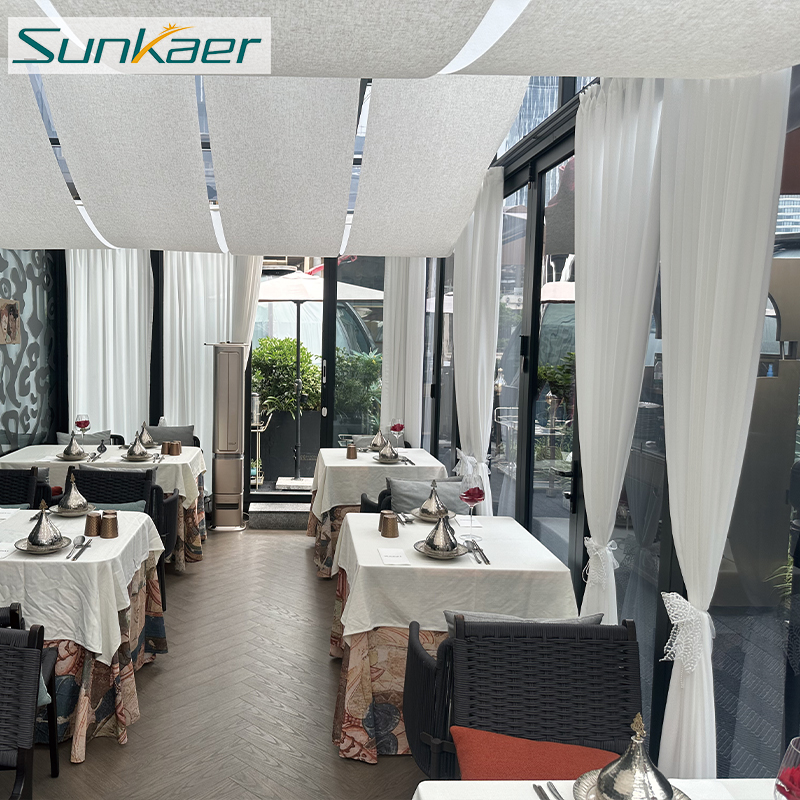
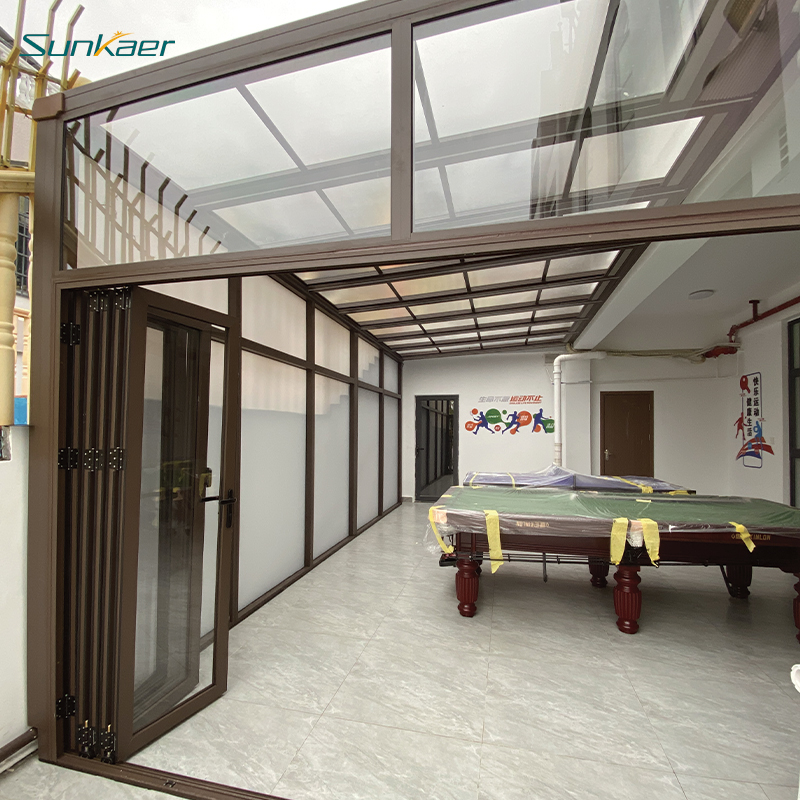
Application Scenarios and Suitability Factors
Climate Zone Compatibility
Geographic location plays a crucial role in determining the optimal sunroom type for your home. Telescopic sunroom systems excel in moderate climates with pleasant spring, summer, and fall weather that encourage frequent indoor-outdoor transitions. Regions with mild winters and comfortable summers benefit most from the flexibility to adjust enclosure levels based on seasonal conditions and daily weather variations.
Fixed sunrooms demonstrate superior performance in extreme climate zones where consistent environmental control becomes essential for year-round usability. Northern climates with harsh winters require reliable heating integration and thermal performance that fixed systems provide more effectively. Similarly, hot southern climates benefit from the ability to incorporate powerful air conditioning systems and continuous insulation that fixed construction supports more readily than telescopic alternatives.
Lifestyle and Usage Pattern Considerations
Your intended usage patterns significantly influence the optimal choice between telescopic and fixed sunroom options. Homeowners who enjoy entertaining outdoors, gardening activities, or seasonal hobbies may find telescopic systems more suitable due to their ability to create open-air spaces when desired. The flexibility to transition between enclosed and open configurations supports diverse activities throughout the year and accommodates varying guest preferences during social gatherings.
Fixed sunrooms better serve homeowners seeking permanent additional living space for specific functions such as home offices, exercise rooms, or formal dining areas. The consistent environmental conditions and infrastructure capabilities of fixed systems support activities that require stable temperature control, electrical power access, and protection from insects and weather disruptions. Professional work-from-home situations often benefit from the reliability and quiet operation of fixed sunroom environments.
FAQ
What are the main operational differences between telescopic and fixed sunrooms?
Telescopic sunrooms feature retractable panels that can open and close to adjust ventilation and weather protection, while fixed sunrooms maintain permanent enclosure with consistent climate control. Telescopic systems provide flexibility to transform between enclosed and open-air configurations, whereas fixed systems offer stable indoor environments suitable for year-round use regardless of weather conditions.
Which sunroom type requires less maintenance over time?
Fixed sunrooms generally require less maintenance due to their lack of moving parts and simpler construction. Telescopic sunrooms need regular track cleaning, hardware lubrication, and panel alignment checks to ensure smooth operation. However, both systems require periodic inspection of glazing, weather seals, and structural components for optimal performance and longevity.
How do energy costs compare between telescopic and fixed sunroom systems?
Fixed sunrooms typically offer better thermal efficiency through continuous insulation and permanent glazing systems, potentially reducing heating and cooling costs. Telescopic sunrooms may have higher energy requirements due to thermal bridging at sliding mechanisms, but they can reduce cooling costs by opening panels for natural ventilation during pleasant weather conditions.
Can both sunroom types be automated for convenience?
Telescopic sunrooms can incorporate motorized panel operation with weather sensors and remote control systems for automated opening and closing based on conditions. Fixed sunrooms can integrate automated climate control, lighting, and ventilation systems, but their automation focuses on environmental management rather than structural configuration changes. Both options support smart home integration for enhanced convenience and energy efficiency.