 EN
EN

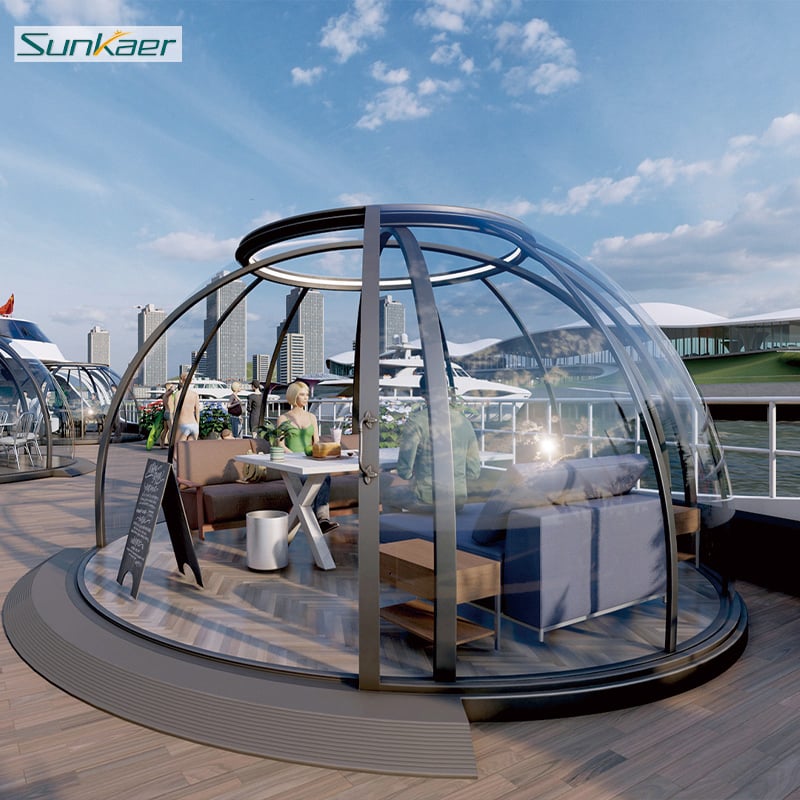
Dome houses represent one of the most structurally sound and weather-resistant architectural forms available today. These innovative structures combine ancient geometric principles with modern engineering to create homes that can withstand extreme weather conditions while providing exceptional stability. The hemispherical design of dome houses distributes structural loads evenly across the entire surface, making them inherently stronger than traditional rectangular buildings. This unique construction method has gained popularity among homeowners seeking durable, energy-efficient, and environmentally sustainable housing solutions.
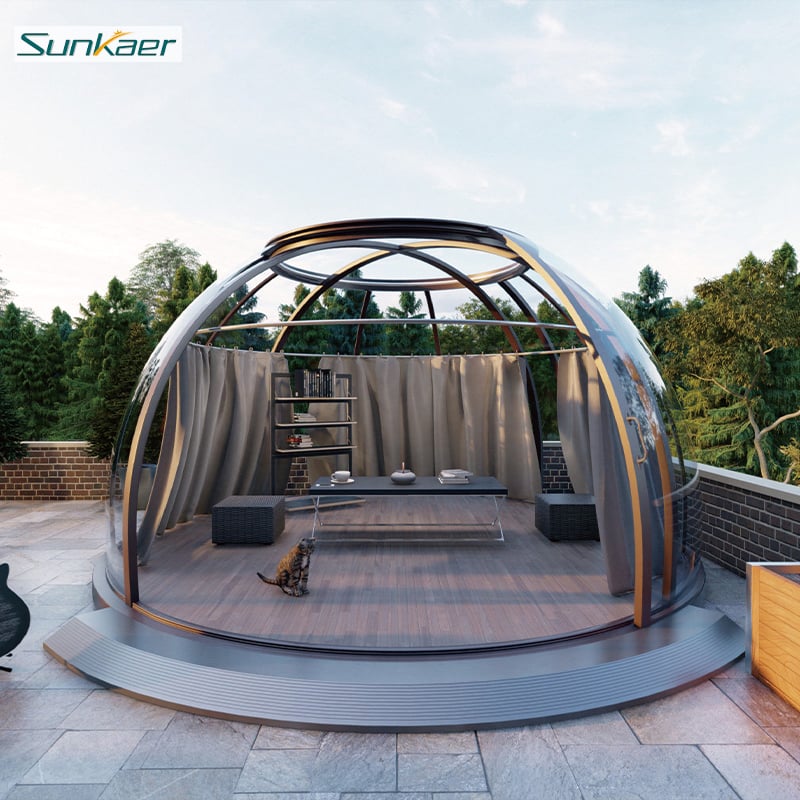
Structural Engineering Principles of Dome Houses
Load Distribution and Structural Integrity
The fundamental strength of dome houses lies in their ability to distribute loads uniformly across the curved surface. Unlike conventional structures that rely on corners and joints, dome houses transfer forces through compression along the curved shell. This compression-based system eliminates weak points that typically exist in traditional construction methods. The spherical geometry ensures that wind loads, snow loads, and seismic forces are distributed evenly, preventing stress concentrations that could lead to structural failure.
Engineers calculate the structural requirements for dome houses using advanced computational models that account for various load combinations. The shell thickness, reinforcement patterns, and material properties are optimized to handle expected environmental conditions. Modern dome houses often incorporate steel reinforcement or composite materials to enhance their structural capacity while maintaining the lightweight characteristics that make them so efficient.
Material Selection and Construction Methods
Contemporary dome houses utilize various construction materials depending on the specific application and environmental requirements. Reinforced concrete remains popular for permanent structures due to its durability and fire resistance. However, innovative materials such as structural insulated panels, spray foam, and composite shells have revolutionized dome house construction. These materials offer improved insulation properties while maintaining the structural integrity essential for harsh weather resistance.
The construction process for dome houses typically involves either cast-in-place concrete methods or prefabricated panel systems. Cast-in-place construction allows for seamless integration of all structural elements but requires specialized formwork and skilled labor. Prefabricated systems offer faster construction times and quality control advantages, making dome houses more accessible to a broader range of builders and homeowners.
Weather Resistance Characteristics
Wind Load Management
Dome houses excel in high-wind environments due to their aerodynamic shape, which allows wind to flow smoothly around the structure rather than creating turbulence and pressure differentials. Traditional box-shaped buildings present flat surfaces that create significant wind resistance and can experience uplift forces on roofs and walls. The curved profile of dome houses eliminates these problematic areas, reducing wind loads by up to 50% compared to conventional structures.
Hurricane-force winds that can devastate traditional buildings often have minimal impact on properly designed dome houses. The continuous curved surface prevents wind from gaining leverage against the structure, and the absence of corners eliminates areas where wind pressure can build up. This aerodynamic advantage makes dome houses particularly suitable for coastal regions and areas prone to severe storms.
Snow and Ice Load Resistance
The curved geometry of dome houses provides natural advantages in snow-prone climates. Snow naturally slides off the smooth surfaces rather than accumulating to dangerous levels, reducing both structural loads and maintenance requirements. The continuous surface eliminates flat areas where ice dams can form, preventing water infiltration and structural damage that commonly affects traditional roofing systems.
Engineers design dome houses to handle anticipated snow loads for specific geographic regions, but the self-shedding characteristics of the curved surface often mean that actual loads remain well below design limits. This inherent advantage allows for more efficient structural designs and reduces the risk of collapse during extreme weather events.
Seismic Performance and Stability
Earthquake Resistance Features
Dome houses demonstrate exceptional seismic performance due to their monolithic construction and lack of structural weak points. During earthquake events, the curved shell acts as a unified structural system, distributing seismic forces throughout the entire structure rather than concentrating them at specific joints or connections. This behavior significantly reduces the risk of catastrophic failure during major seismic events.
The low center of gravity inherent in dome houses further enhances their seismic stability. The hemispherical shape naturally creates a stable base that resists overturning moments generated by ground motion. Additionally, the continuous shell construction eliminates the separation planes that can fail during earthquakes in conventional buildings with distinct walls, floors, and roofs.
Foundation Requirements and Soil Interaction
The foundation systems for dome houses are typically simpler than those required for conventional structures due to the uniform load distribution characteristics of the dome shell. Ring foundations or continuous footings work effectively to transfer loads from the dome to the underlying soil. The absence of point loads or concentrated forces simplifies foundation design and often reduces construction costs.
Dome houses adapt well to various soil conditions because the curved shell can accommodate minor differential settlements without developing structural distress. This flexibility makes dome houses suitable for challenging sites where conventional structures might experience foundation-related problems.
Energy Efficiency and Environmental Performance
Thermal Performance Advantages
The spherical geometry of dome houses creates the maximum enclosed volume with the minimum surface area, resulting in superior energy efficiency compared to rectangular buildings. This geometric advantage reduces heat loss in winter and heat gain in summer, leading to lower energy consumption for heating and cooling systems. The continuous insulation envelope possible with dome houses eliminates thermal bridges that plague conventional construction.
Natural air circulation patterns within dome houses contribute to comfort and energy efficiency. The curved interior surfaces promote gentle air movement that helps maintain uniform temperatures throughout the space. This natural ventilation reduces reliance on mechanical systems and creates healthier indoor environments for occupants.
Sustainability and Longevity
Dome houses offer exceptional longevity due to their structural durability and resistance to weather-related deterioration. The monolithic construction eliminates many maintenance issues associated with joints, seams, and interfaces in traditional buildings. This longevity reduces the environmental impact over the building's lifecycle and provides long-term economic benefits to owners.
The efficient use of materials in dome houses contributes to their environmental sustainability. The structural efficiency of the dome form requires less material per unit of enclosed space compared to conventional construction methods. This material efficiency, combined with the energy performance advantages, makes dome houses an environmentally responsible housing choice.
Modern Applications and Design Variations
Residential Dome House Designs
Contemporary residential dome houses incorporate modern amenities and aesthetic preferences while maintaining the structural advantages of the dome form. Architects have developed innovative approaches to interior layout that maximize the usable space within the curved envelope. Multi-level designs, integrated storage solutions, and creative room arrangements demonstrate that dome houses can provide comfortable and functional living spaces.
Exterior finishes for modern dome houses range from traditional stucco and stone to contemporary metal and composite materials. These finish options allow dome houses to blend with various architectural contexts while maintaining their performance advantages. Advanced building systems integration ensures that dome houses meet contemporary standards for electrical, plumbing, and HVAC installations.
Commercial and Industrial Applications
Beyond residential applications, dome houses find use in commercial and industrial contexts where structural durability and weather resistance are critical. Emergency shelters, disaster relief housing, and remote facility construction benefit from the quick deployment and extreme weather resistance of dome structures. The scalable nature of dome construction allows for projects ranging from small emergency shelters to large industrial facilities.
Specialized applications include storage facilities, recreational buildings, and research stations in harsh environments. The self-supporting nature of dome houses eliminates the need for internal columns, creating clear-span spaces ideal for various commercial uses. The durability and low maintenance requirements make dome houses particularly attractive for remote or difficult-to-access locations.
FAQ
What makes dome houses more stable than traditional rectangular buildings
Dome houses achieve superior stability through their curved geometry, which distributes structural loads evenly across the entire surface. Unlike rectangular buildings that concentrate stress at corners and joints, dome houses transfer forces through compression along the shell, eliminating weak points and creating a naturally stable structure that can withstand extreme weather conditions and seismic events.
How do dome houses perform in extreme weather conditions like hurricanes
Dome houses excel in hurricane conditions due to their aerodynamic shape that allows wind to flow smoothly around the structure. The curved profile reduces wind loads by up to 50% compared to conventional buildings, and the absence of flat surfaces eliminates areas where wind pressure can build up, making dome houses highly resistant to hurricane-force winds.
Are dome houses energy efficient compared to traditional homes
Yes, dome houses are significantly more energy efficient than traditional homes because their spherical geometry provides maximum enclosed volume with minimum surface area. This reduces heat transfer through the building envelope, and the continuous insulation possible with dome construction eliminates thermal bridges, resulting in lower heating and cooling costs throughout the year.
What are the foundation requirements for dome houses
Dome houses typically require simpler foundation systems than conventional structures due to their uniform load distribution. Ring foundations or continuous footings effectively transfer loads from the dome to the soil, and the absence of point loads simplifies foundation design. The structural flexibility of dome houses also allows them to accommodate minor soil settlement without distress.