 EN
EN

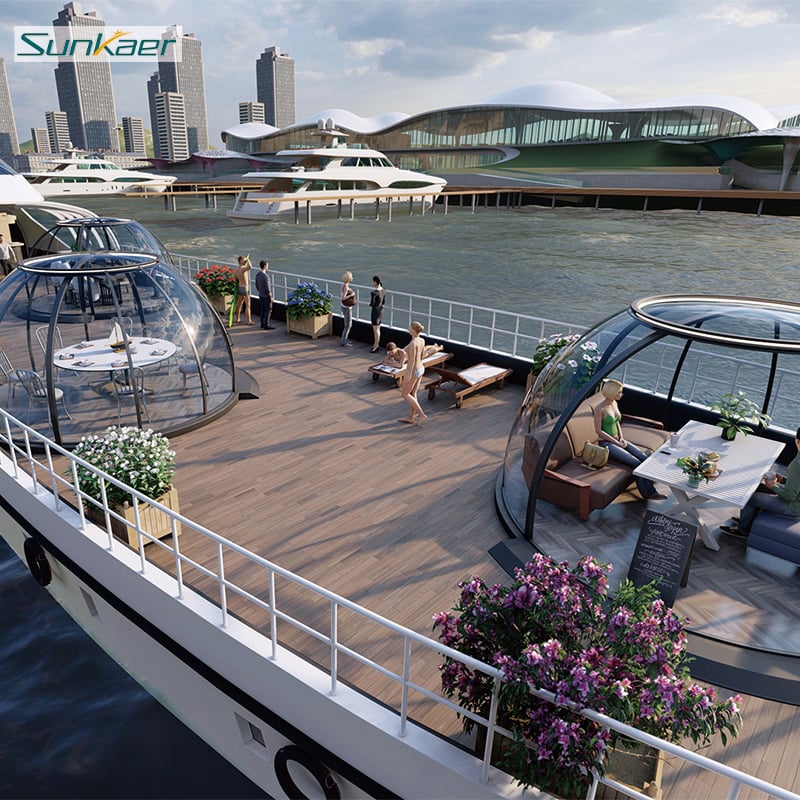
Modern sustainable living has evolved beyond traditional architectural concepts, with dome houses emerging as revolutionary structures that combine environmental consciousness with innovative design. These geodesic marvels represent a paradigm shift in how we approach residential construction, offering unique advantages that align perfectly with contemporary eco-friendly lifestyles. The spherical geometry of dome houses provides exceptional structural integrity while minimizing material usage, making them an intelligent choice for environmentally aware homeowners seeking both functionality and sustainability.
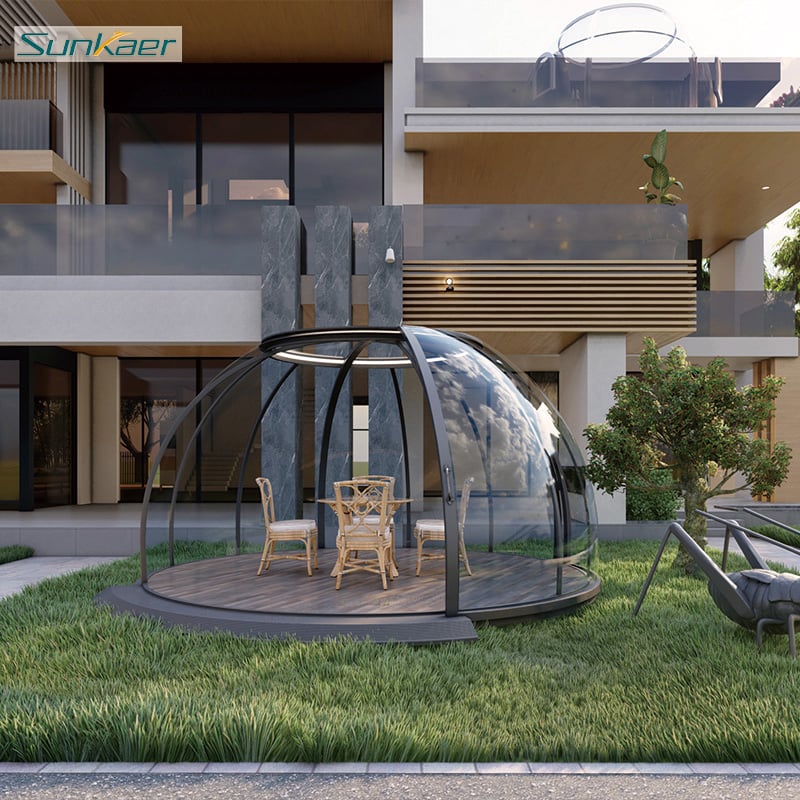
The architectural brilliance of dome houses stems from their inherent geometric efficiency, which translates directly into reduced environmental impact. Unlike conventional rectangular structures that require extensive support systems and larger material quantities, dome houses utilize natural compression forces to maintain structural stability. This fundamental design principle allows builders to create spacious interiors using significantly fewer resources, reducing both construction costs and ecological footprint. The curved surface area of dome houses also minimizes heat loss through walls, creating natural energy efficiency that traditional homes struggle to achieve.
Structural Engineering Excellence in Dome House Design
Mathematical Precision Behind Geodesic Construction
The engineering foundation of dome houses relies on precise mathematical calculations that distribute structural loads evenly across the entire surface. This geodesic principle eliminates weak points common in traditional construction, where corners and joints typically experience concentrated stress. Professional architects and engineers have refined dome house construction techniques to achieve remarkable strength-to-weight ratios, enabling these structures to withstand extreme weather conditions including hurricanes, earthquakes, and heavy snow loads. The triangular panel system used in dome houses creates a self-supporting network that becomes stronger as more components are added.
Advanced computer modeling has revolutionized dome house design, allowing architects to optimize panel configurations for specific climate conditions and structural requirements. Modern dome houses incorporate sophisticated joining systems that eliminate thermal bridging, further enhancing their energy performance. The spherical shape naturally deflects wind forces, reducing structural stress and improving overall durability compared to traditional rectangular buildings.
Material Innovation and Sustainable Construction Methods
Contemporary dome houses embrace cutting-edge sustainable materials that minimize environmental impact while maximizing performance. Recycled steel frameworks provide exceptional strength with reduced carbon footprint, while innovative composite panels offer superior insulation properties. Many dome house manufacturers now utilize bio-based materials including hemp fiber insulation, bamboo panels, and recycled plastic components that contribute to circular economy principles.
The construction process for dome houses generates significantly less waste compared to traditional building methods. Prefabricated components arrive on-site with precise measurements, eliminating material excess and reducing landfill contributions. Assembly techniques for dome houses often require smaller construction crews and shorter build times, further reducing the environmental impact associated with heavy machinery operation and extended site disruption.
Energy Efficiency and Climate Performance
Thermal Dynamics and Natural Ventilation Systems
The aerodynamic profile of dome houses creates exceptional thermal performance through natural air circulation patterns. The curved walls promote consistent airflow that eliminates stagnant air pockets, reducing the need for mechanical ventilation systems. This natural ventilation in dome houses significantly reduces energy consumption for heating and cooling throughout the year.
Strategic placement of windows and vents in dome houses maximizes cross-ventilation while minimizing heat loss during winter months. The spherical geometry creates a stack effect that draws warm air upward and circulates fresh air throughout the interior space. Advanced dome house designs incorporate thermal mass elements that absorb solar energy during the day and release it gradually during cooler periods, maintaining comfortable temperatures with minimal mechanical assistance.
Renewable Energy Integration and Smart Home Technology
The compact surface area of dome houses makes them ideal candidates for renewable energy systems, particularly solar panel installations. The curved roof surface can accommodate flexible solar panels that follow the dome's contour, maximizing energy capture from multiple angles throughout the day. Wind turbine integration is also simplified due to the dome's aerodynamic properties, which create favorable air currents for small-scale wind generation.
Modern dome houses increasingly incorporate smart home technology that monitors and optimizes energy usage automatically. Integrated sensors track temperature, humidity, and air quality, adjusting ventilation and heating systems for maximum efficiency. Battery storage systems work seamlessly with dome houses due to their reduced energy requirements, enabling complete grid independence in many installations.
Environmental Impact and Sustainability Benefits
Carbon Footprint Reduction Through Efficient Design
The environmental advantages of dome houses extend far beyond their construction phase, offering significant carbon footprint reductions throughout their operational lifetime. Studies have demonstrated that dome houses typically consume 30-50% less energy for heating and cooling compared to equivalent square footage in traditional homes. This dramatic efficiency improvement translates directly into reduced greenhouse gas emissions and lower utility costs for homeowners.
The longevity of dome houses contributes substantially to their environmental benefits, as these structures often last several decades longer than conventional buildings. Reduced maintenance requirements mean fewer replacement materials and less frequent renovations, minimizing lifetime resource consumption. The durability of dome houses against natural disasters also prevents the environmental impact associated with reconstruction after severe weather events.
Water Management and Resource Conservation
Innovative water management systems integrate naturally with dome house designs, taking advantage of the curved surface for efficient rainwater collection. The spherical shape channels precipitation toward collection points without complex gutter systems, simplifying harvesting and reducing installation costs. Many dome houses incorporate greywater recycling systems that treat and reuse household wastewater for irrigation and non-potable applications.
The compact footprint of dome houses preserves more natural land area compared to traditional sprawling developments. This land conservation approach protects local ecosystems and reduces urban heat island effects. Dome houses can be designed to integrate harmoniously with existing topography, minimizing site disturbance and preserving natural drainage patterns.
Cost Effectiveness and Long-term Value
Construction Economics and Initial Investment
The economic advantages of dome houses become apparent during both construction and operational phases, offering compelling financial benefits for eco-conscious investors. Initial construction costs for dome houses often compare favorably to traditional homes when considering the reduced material requirements and faster assembly times. The prefabricated nature of many dome house components eliminates weather delays and reduces labor costs significantly.
Insurance benefits represent another financial advantage of dome houses, as their superior structural integrity often qualifies for reduced premiums. The disaster-resistant properties of dome houses translate into lower risk profiles for insurance companies, resulting in tangible savings for homeowners. Additionally, many jurisdictions offer tax incentives for energy-efficient dome houses that exceed standard building performance requirements.
Maintenance Requirements and Operational Savings
The streamlined design of dome houses significantly reduces maintenance requirements compared to traditional structures with multiple roof planes, corners, and complex details. The absence of gutters, complex rooflines, and vulnerable joints eliminates many common maintenance issues that plague conventional homes. Regular maintenance for dome houses typically involves simple panel inspections and occasional weatherproofing treatments.
Energy savings from dome houses compound over time, creating substantial financial benefits throughout the building's lifetime. The superior insulation performance and natural ventilation characteristics result in consistently lower utility bills. Many dome house owners report energy cost reductions of 40-60% compared to their previous traditional homes, with payback periods of 5-10 years for additional upfront investments in sustainable features.
Design Flexibility and Living Experience
Interior Space Optimization and Layout Possibilities
The open interior space of dome houses provides remarkable flexibility for creative layout designs that maximize functionality while maintaining the structure's inherent efficiency. The absence of load-bearing interior walls allows residents to reconfigure living spaces easily, adapting to changing family needs or lifestyle preferences. This adaptability makes dome houses particularly attractive for multi-generational families or households with evolving space requirements.
Vertical space utilization in dome houses offers unique opportunities for loft areas, elevated storage, and multi-level living arrangements. The curved ceiling creates interesting architectural features that enhance the living experience while maintaining the practical benefits of the geodesic design. Many residents of dome houses report improved psychological well-being attributed to the organic, cave-like interior environment that feels more connected to natural forms.
Customization Options and Aesthetic Integration
Modern dome houses offer extensive customization possibilities that allow homeowners to create unique living spaces while preserving the structure's environmental benefits. Exterior finishes can range from traditional materials like wood or stone to contemporary options including metal panels or living walls. These finish choices enable dome houses to integrate aesthetically with various architectural styles and neighborhood contexts.
Interior customization options for dome houses include skylights that take advantage of the curved ceiling geometry, creating dramatic natural lighting effects throughout the day. The structural strength of dome houses supports innovative features like suspended gardens, integrated water features, and multi-level platforms that would be impractical in traditional construction. These design possibilities allow homeowners to create truly personalized living environments that reflect their commitment to sustainable living.
FAQ
How do dome houses perform in extreme weather conditions
Dome houses excel in extreme weather due to their aerodynamic shape and structural integrity. The geodesic design distributes wind loads evenly across the surface, eliminating pressure points that can cause failure in traditional buildings. Dome houses have successfully withstood Category 5 hurricanes, major earthquakes, and heavy snow loads that would damage conventional structures. The lack of corners and flat surfaces prevents wind uplift and reduces debris impact during storms.
What are the typical construction timeframes for dome houses
Construction timeframes for dome houses are typically 30-50% shorter than traditional homes of equivalent size. Prefabricated dome house kits can be assembled in 2-4 weeks by experienced crews, while custom designs may require 2-4 months depending on complexity and finishing requirements. The weather-resistant construction process allows work to continue in conditions that would halt traditional building projects, further reducing overall construction time.
Are dome houses suitable for all climate zones
Dome houses perform exceptionally well across diverse climate zones due to their superior thermal efficiency and natural ventilation properties. In cold climates, the minimal surface area reduces heat loss while the shape promotes even temperature distribution. Hot climates benefit from the natural cooling effects and reduced solar heat gain. Proper insulation specification and ventilation design ensure optimal performance regardless of regional climate conditions.
How do zoning and building codes affect dome house construction
Most jurisdictions now accommodate dome houses within existing building codes, though some areas may require special permits or engineering reviews. The International Building Code recognizes geodesic structures, and many dome house manufacturers provide pre-approved plans that streamline the permitting process. Zoning compliance typically focuses on setback requirements and height restrictions rather than architectural style, making dome houses viable in most residential areas.