 EN
EN

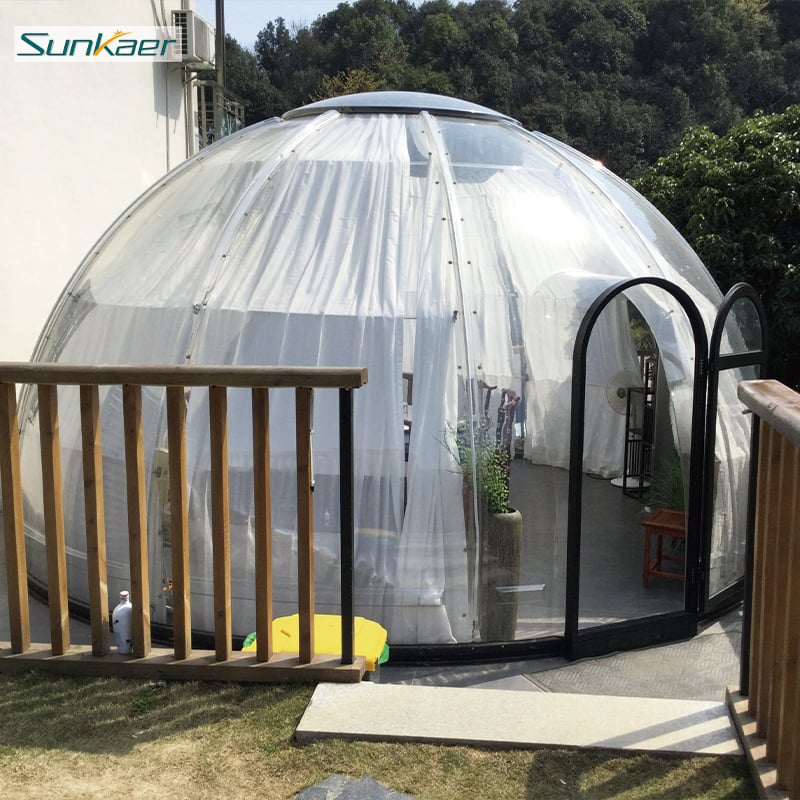
Modern construction has embraced innovative architectural designs that combine aesthetic appeal with structural integrity, and the dome house represents one of the most fascinating examples of this evolution. These spherical structures have gained significant popularity among architects, builders, and homeowners seeking sustainable, energy-efficient alternatives to traditional rectangular buildings. The unique geometry of a dome house offers exceptional strength-to-weight ratios while minimizing material usage, making them both economically and environmentally attractive options for contemporary construction projects.
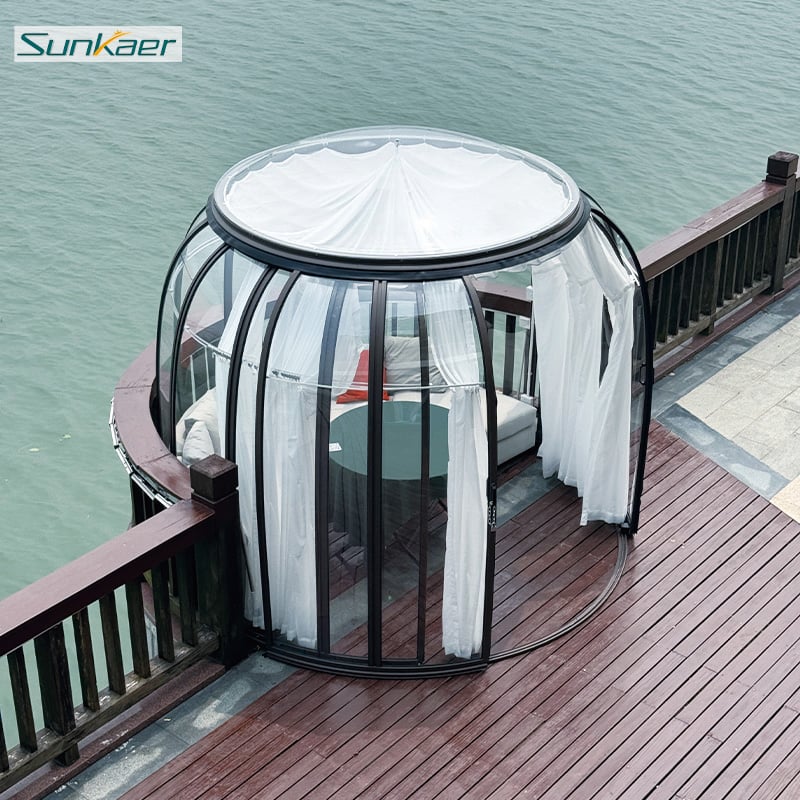
The selection of appropriate materials for dome house construction requires careful consideration of multiple factors including climate conditions, local building codes, budget constraints, and intended use. Unlike conventional rectangular structures, dome houses distribute loads evenly across their curved surfaces, allowing for innovative material applications that might not be feasible in traditional construction. This comprehensive guide explores the most commonly used materials in dome house construction, examining their properties, advantages, and specific applications in creating durable, long-lasting spherical structures.
Steel Framework Systems for Dome House Construction
Galvanized Steel Components
Galvanized steel serves as the primary structural framework for many modern dome house designs, offering exceptional durability and corrosion resistance. The galvanization process involves coating steel components with zinc, creating a protective barrier that prevents rust and extends the lifespan of the dome house structure significantly. Professional builders frequently choose galvanized steel for its ability to withstand extreme weather conditions while maintaining structural integrity over decades of use.
The manufacturing process for galvanized steel dome house frameworks involves precision cutting and welding techniques that ensure perfect geometric accuracy. Each strut and connector must be fabricated to exact specifications to maintain the dome's structural stability and aesthetic appeal. The lightweight nature of steel frameworks makes dome house assembly more manageable while providing the necessary strength to support various covering materials and withstand wind loads, snow loads, and seismic forces.
Stainless Steel Premium Options
For premium dome house applications, particularly in coastal environments or areas with high humidity, stainless steel frameworks offer superior corrosion resistance and longevity. While more expensive than galvanized alternatives, stainless steel dome house structures provide virtually maintenance-free operation for decades. The material's inherent resistance to oxidation makes it ideal for glamping operations, luxury residences, and commercial applications where long-term durability justifies the initial investment.
Stainless steel dome house frameworks also offer enhanced aesthetic appeal with their polished finish and modern appearance. The material's strength characteristics allow for more slender structural members, creating dome house designs with greater interior space and improved visual lightness. Professional architects often specify stainless steel for dome house projects where architectural excellence and minimal maintenance are primary considerations.
Advanced Covering Materials for Weather Protection
High-Performance Fabric Membranes
Modern dome house construction frequently employs advanced fabric membranes that combine waterproofing, UV resistance, and thermal insulation properties. These engineered textiles are specifically designed for architectural applications, offering excellent tear strength and dimensional stability under varying weather conditions. The flexibility of fabric coverings allows dome house structures to accommodate thermal expansion and contraction without compromising their weather-tight integrity.
Contemporary fabric membranes for dome house applications incorporate multiple layers with specialized functions, including waterproof barriers, insulation cores, and protective outer surfaces. The installation process requires skilled technicians who understand the unique challenges of applying flexible materials to curved surfaces. Proper tensioning and anchoring techniques ensure that fabric-covered dome house structures maintain their shape and weather resistance throughout their operational lifespan.
Translucent Panel Systems
Polycarbonate and acrylic panel systems provide dome house designs with excellent natural lighting while maintaining weather protection and structural strength. These transparent or translucent materials allow architects to create bright, airy interiors that feel connected to the outdoor environment. The lightweight nature of synthetic panels reduces structural loads while providing impact resistance superior to traditional glass applications in curved dome house surfaces.
Advanced panel systems for dome house construction often incorporate thermal barriers and UV filters to enhance occupant comfort and protect interior furnishings. Installation techniques for curved panels require specialized tools and expertise to ensure proper sealing and alignment. Modern panel systems can achieve excellent thermal performance when properly installed, making them suitable for year-round dome house occupancy in various climate zones.
Insulation Solutions for Energy Efficiency
Spray Foam Insulation Applications
Spray polyurethane foam insulation provides dome house structures with continuous thermal barriers that eliminate thermal bridging and air infiltration. The application process involves spraying liquid foam that expands and hardens to create a seamless insulation layer conforming to the dome's curved geometry. This insulation method is particularly effective in dome house construction because it can fill irregular spaces and create uniform thermal performance across the entire structure.
Professional installation of spray foam insulation in dome house projects requires specialized equipment and trained technicians who understand proper application techniques for curved surfaces. The resulting insulation system provides excellent R-values while serving as both thermal barrier and air seal, significantly improving the dome house energy efficiency. Proper ventilation considerations must be incorporated during spray foam installation to ensure healthy indoor air quality and prevent moisture-related issues.
Rigid Foam Panel Systems
Rigid foam insulation panels offer dome house builders precise thermal control with predictable performance characteristics and simplified installation procedures. These panels can be cut to exact shapes and sizes required for dome house geometry, ensuring consistent insulation values throughout the structure. The dimensional stability of rigid foam panels makes them particularly suitable for dome house applications where long-term thermal performance is essential.
Installation of rigid foam panels in dome house construction requires careful attention to joint sealing and vapor barrier placement to prevent thermal bridging and moisture infiltration. Modern rigid foam systems for dome house applications often incorporate tongue-and-groove edges or specialized connection systems that minimize thermal breaks. The fire resistance and structural properties of various foam types must be carefully evaluated for each specific dome house application to ensure code compliance and safety.
Foundation and Anchoring Systems
Concrete Foundation Solutions
Concrete foundations provide dome house structures with stable, level platforms that distribute loads evenly to the underlying soil. The circular geometry of dome house foundations requires careful planning and precise construction techniques to ensure proper alignment and support for the superstructure. Reinforced concrete foundations can incorporate anchor bolt patterns specifically designed for dome house connection details, ensuring secure attachment and load transfer.
Modern concrete foundation systems for dome house construction often include integrated utilities and drainage features that enhance functionality while maintaining structural integrity. The thermal mass of concrete foundations can contribute to dome house energy efficiency by moderating temperature fluctuations and storing solar energy. Proper curing and finishing techniques ensure that concrete foundations provide decades of reliable service for dome house structures.
Alternative Anchoring Methods
For temporary or semi-permanent dome house installations, alternative anchoring systems provide flexibility while maintaining structural safety. Helical piers, concrete footings, and weighted anchor systems offer options for various soil conditions and installation requirements. These systems allow dome house structures to be relocated or removed without permanent alteration to the site, making them ideal for glamping operations and temporary events.
The selection of appropriate anchoring systems for dome house applications depends on wind loads, soil conditions, local building codes, and intended use duration. Professional engineering analysis ensures that anchoring systems provide adequate safety factors while minimizing site disturbance and installation costs. Proper installation and inspection procedures guarantee that alternative anchoring systems maintain dome house stability throughout their service life.
Interior Finishing Materials and Systems
Flooring Solutions for Curved Spaces
Interior flooring for dome house spaces requires materials that can accommodate the unique geometry while providing comfort and durability. Flexible flooring materials such as luxury vinyl planks, cork tiles, and specialized carpeting systems work well in dome house applications where traditional rigid materials might create installation challenges. The continuous curved walls of dome house interiors often require transition strips and specialized trim pieces to create professional finished appearances.
Modern flooring systems for dome house applications often incorporate radiant heating elements that enhance comfort while taking advantage of the structure's thermal efficiency. The installation process requires skilled craftsmen who understand how to work with curved surfaces and non-standard room geometries. Proper moisture barriers and subfloor systems ensure that dome house flooring installations provide long-term performance and comfort for occupants.
Wall and Ceiling Treatments
Interior wall treatments for dome house spaces must accommodate continuous curved surfaces while providing attractive, functional finishes. Flexible materials such as fabric panels, curved drywall systems, and specialized plaster applications can create smooth, finished surfaces that complement the dome house geometry. The lack of traditional corners and joints in dome house interiors requires innovative approaches to trim work and finish details.
Modern interior finishing systems for dome house construction often emphasize the unique architectural character of curved spaces while providing practical functionality. Integrated lighting systems, built-in furniture, and curved cabinetry can maximize the usable space within dome house interiors. Professional design and installation ensure that interior finishes enhance both the aesthetic appeal and functional performance of dome house living spaces.
FAQ
What are the most cost-effective materials for dome house construction?
The most cost-effective materials for dome house construction typically include galvanized steel frameworks combined with high-performance fabric membranes or polycarbonate panels. Steel provides excellent strength-to-weight ratios while fabric membranes offer weather protection at lower costs than rigid materials. For budget-conscious projects, spray foam insulation applied directly to fabric or panel surfaces can provide adequate thermal performance without requiring separate insulation systems. The key to cost-effective dome house construction lies in selecting materials that serve multiple functions while maintaining structural integrity and weather resistance.
How do dome house materials perform in extreme weather conditions?
Dome house materials are specifically selected for their ability to withstand extreme weather conditions due to the structure's inherent aerodynamic shape and load distribution characteristics. Steel frameworks resist wind loads effectively while flexible covering materials accommodate thermal expansion and contraction without failure. Modern fabric membranes and panel systems incorporate UV stabilizers and weathering resistance that maintain performance for decades. The curved geometry of dome house structures naturally sheds wind, rain, and snow loads more effectively than traditional rectangular buildings, reducing stress on materials and extending their service life.
What maintenance requirements do different dome house materials have?
Maintenance requirements for dome house materials vary significantly depending on the specific materials chosen and environmental conditions. Steel frameworks typically require periodic inspection and touch-up painting, while stainless steel systems need minimal maintenance. Fabric membranes may require cleaning and re-tensioning every few years, while rigid panel systems generally need only occasional cleaning and seal inspection. Insulation systems are typically maintenance-free once properly installed, though access panels should be provided for inspection. Regular maintenance schedules help ensure that dome house materials provide their expected service life and performance characteristics.
Are there specialized building codes for dome house construction materials?
Building codes for dome house construction materials vary by jurisdiction, but most areas require compliance with standard structural, fire, and energy codes regardless of building shape. Steel frameworks must meet standard structural steel requirements, while covering materials need to satisfy fire resistance, weather protection, and thermal performance standards. Some jurisdictions have specific provisions for fabric structures or alternative building systems that may apply to certain dome house designs. Working with experienced architects and engineers familiar with local codes ensures that dome house material selections meet all applicable requirements and obtain necessary permits and approvals.