 EN
EN

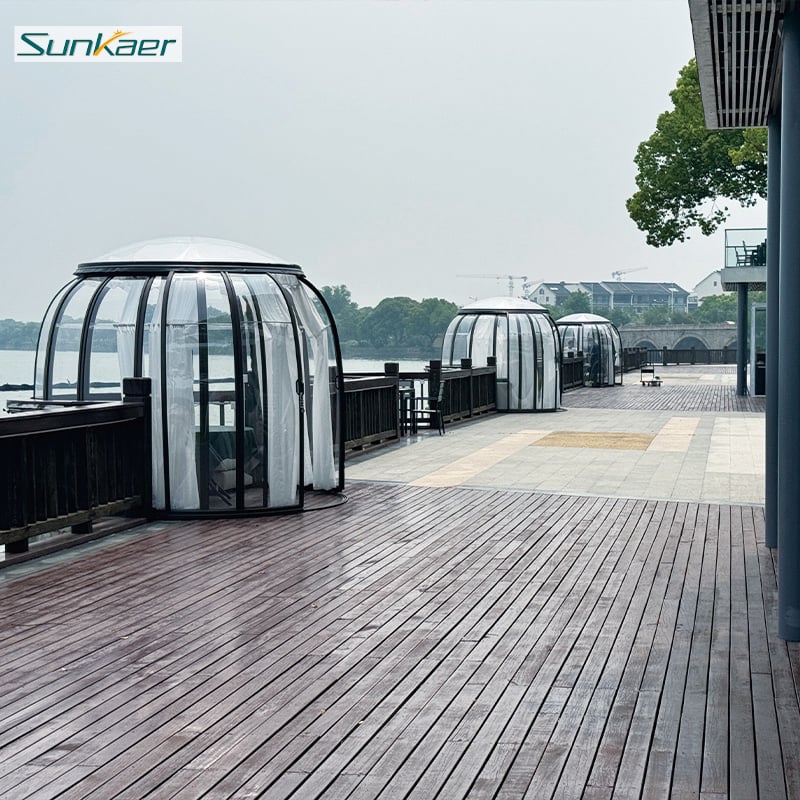
The architectural landscape is witnessing a remarkable transformation as innovative building designs capture the imagination of homeowners, hospitality entrepreneurs, and eco-conscious developers worldwide. Among these emerging trends, the geodesic dome house stands out as a revolutionary concept that combines structural efficiency with aesthetic appeal. This unique architectural form, originally conceptualized by visionary architect Buckminster Fuller, is experiencing unprecedented growth in popularity across residential, commercial, and hospitality sectors. The geodesic dome house represents more than just an alternative building method; it embodies a paradigm shift toward sustainable, efficient, and visually striking structures that challenge conventional construction norms.
Structural Engineering Excellence
Mathematical Precision in Design
The geodesic dome house derives its exceptional strength from mathematical principles that distribute structural loads evenly across the entire framework. This geometric marvel utilizes triangular elements arranged in a spherical pattern, creating a self-supporting structure that maximizes interior space while minimizing material usage. Engineers consistently praise the geodesic dome house for its ability to withstand extreme weather conditions, including hurricane-force winds, heavy snow loads, and seismic activity. The triangulated framework creates multiple load paths, ensuring that stress is distributed efficiently throughout the structure, making it significantly more resilient than traditional rectangular buildings.
Construction professionals have documented that geodesic dome house structures require approximately 30% less building materials compared to conventional homes of similar interior volume. This material efficiency translates directly into cost savings during construction while maintaining superior structural integrity. The spherical design also provides optimal resistance to wind loads, as the curved surface allows air to flow smoothly around the structure rather than creating the turbulent pressure differentials that can damage conventional buildings with flat walls and sharp corners.
Foundation Requirements and Soil Interaction
The geodesic dome house offers remarkable flexibility in foundation design, adapting to various soil conditions and topographical challenges that might prove problematic for traditional structures. The distributed load pattern means that foundation requirements are often less intensive than those needed for conventional buildings, as the dome's geometry naturally spreads structural loads across a wider base area. This characteristic makes the geodesic dome house particularly suitable for challenging building sites, including sloped terrain, areas with poor soil conditions, or locations where minimal site disturbance is desired.
Geotechnical engineers frequently recommend geodesic dome house construction for projects in environmentally sensitive areas because the lighter foundation requirements reduce excavation needs and minimize ecological impact. The ability to construct these structures on various foundation types, from simple concrete pads to elevated pier systems, provides architects and builders with unprecedented flexibility in site adaptation while maintaining structural performance standards.
Energy Efficiency and Environmental Benefits
Thermal Performance Optimization
The spherical geometry of a geodesic dome house creates the most efficient ratio of interior volume to exterior surface area possible in architectural design, resulting in exceptional energy performance characteristics. This optimal surface-to-volume ratio means that heating and cooling systems operate more efficiently, as there is less exterior surface area through which heat can transfer. Climate control specialists report that geodesic dome house structures typically require 25-40% less energy for heating and cooling compared to conventional buildings with equivalent interior space.
The curved walls of a geodesic dome house promote natural air circulation patterns that enhance comfort while reducing reliance on mechanical ventilation systems. Hot air naturally rises to the apex of the dome, where it can be vented through strategically placed openings, while cooler air circulates at living levels. This passive ventilation system reduces energy consumption while maintaining optimal indoor air quality, making the geodesic dome house an attractive option for environmentally conscious builders and homeowners seeking to minimize their carbon footprint.
Renewable Energy Integration
The geodesic dome house design provides excellent opportunities for integrating renewable energy systems, particularly solar panels, which can be efficiently mounted on the curved surface to optimize sun exposure throughout the day. The structural strength of the dome framework can easily accommodate the additional loads imposed by solar installations, wind turbines, or other renewable energy systems without requiring significant structural modifications. Many geodesic dome house projects incorporate sophisticated energy management systems that achieve net-zero or net-positive energy performance.
Sustainability consultants increasingly recommend geodesic dome house construction for off-grid applications because the structural efficiency allows for smaller renewable energy systems to meet the building's reduced energy demands. The combination of excellent thermal performance and renewable energy integration potential makes these structures ideal for remote locations where traditional utility connections are impractical or environmentally undesirable.
Hospitality Industry Applications
Glamping and Eco-Tourism Integration
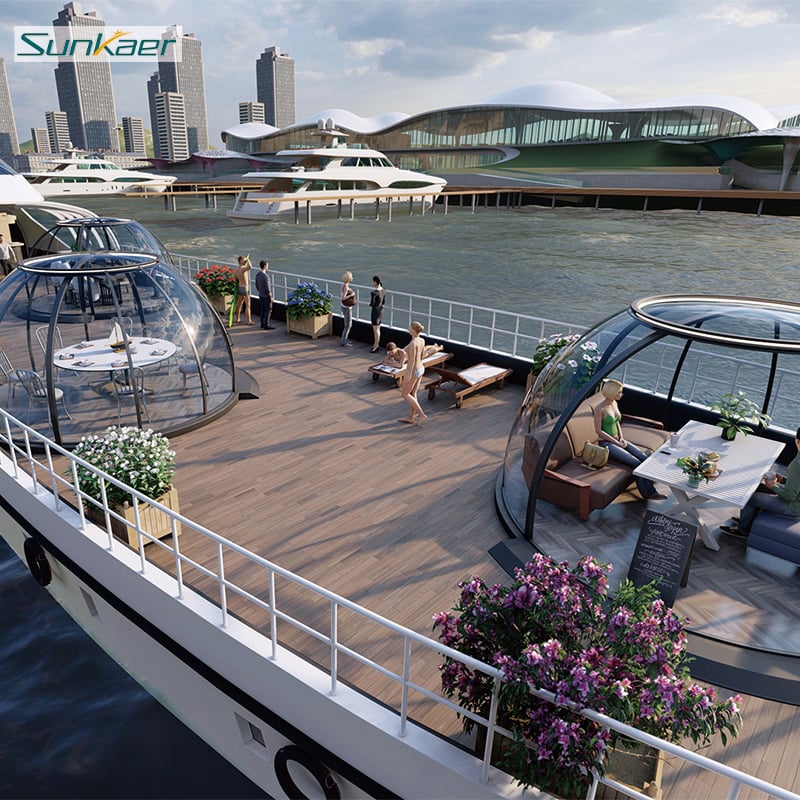
The hospitality sector has embraced the geodesic dome house concept as a unique accommodation option that attracts environmentally conscious travelers seeking distinctive experiences. These structures provide comfortable, weather-resistant accommodations that blend harmoniously with natural environments while offering guests an architectural experience unlike traditional hotel rooms or cabins. Resort developers report that geodesic dome house accommodations consistently achieve higher occupancy rates and command premium pricing compared to conventional structures.
Tourism industry analysts note that the geodesic dome house appeals to multiple demographic segments, from adventure travelers to luxury seekers interested in sustainable tourism options. The unique aesthetic and functional benefits create memorable experiences that generate positive reviews and repeat bookings. Many successful glamping operations feature geodesic dome house units as their signature accommodations, using the distinctive architecture as a primary marketing differentiator in competitive tourism markets.
Event Venues and Commercial Spaces
Commercial applications of geodesic dome house design extend beyond accommodation to include event venues, conference centers, restaurants, and retail spaces. The column-free interior space created by the dome structure provides exceptional flexibility for various commercial uses, while the striking exterior appearance attracts customers and creates memorable brand experiences. Event planners particularly value geodesic dome house venues because the unique architecture creates distinctive settings that enhance special occasions and corporate gatherings.
Restaurant operators have discovered that geodesic dome house structures create intimate dining environments while maximizing natural light and providing panoramic views. The acoustic properties of the curved interior surfaces can be optimized through appropriate material selection and placement, creating comfortable sound environments for dining and conversation. These commercial geodesic dome house applications demonstrate the versatility of the design beyond residential use.
Construction Process and Methodology
Prefabrication Advantages
Modern geodesic dome house construction benefits significantly from prefabrication techniques that ensure precision manufacturing while reducing on-site construction time and weather-related delays. Specialized manufacturers produce geodesic dome house kits that include precisely cut components, detailed assembly instructions, and all necessary hardware for efficient field assembly. This prefabrication approach minimizes construction waste while ensuring consistent quality control that meets or exceeds traditional building standards.
Construction managers report that geodesic dome house projects typically require 40-60% less on-site construction time compared to conventional buildings, as the prefabricated components can be assembled rapidly by skilled crews using standard construction equipment. The reduced construction timeline translates into cost savings through shorter equipment rental periods, reduced labor costs, and faster project completion schedules that benefit both builders and clients.
Skilled Labor and Training Requirements
While geodesic dome house construction utilizes standard building materials and techniques, successful assembly requires crew members who understand the specific methodologies involved in dome construction. Training programs have emerged to educate construction professionals in geodesic dome house assembly techniques, covering topics such as component identification, proper assembly sequences, and quality control procedures specific to curved geometry construction.
Experienced geodesic dome house contractors emphasize that proper training investment pays dividends in construction efficiency and final product quality. Crews familiar with dome construction techniques can complete projects more quickly and with fewer errors compared to those attempting dome assembly without specialized knowledge. This expertise requirement has created a niche market for specialized contractors who focus exclusively on geodesic dome house construction projects.
Market Trends and Future Development
Growing Market Acceptance
Real estate market analysis indicates increasing acceptance of geodesic dome house designs among both residential buyers and commercial developers. Property appraisers report that well-designed geodesic dome house structures maintain strong resale values, particularly in markets where energy efficiency and unique architecture are valued by buyers. The growing awareness of environmental sustainability has created favorable market conditions for geodesic dome house adoption across multiple building sectors.
Demographic studies show particular interest in geodesic dome house designs among younger buyers who prioritize sustainability, energy efficiency, and distinctive living spaces over traditional architectural styles. This market trend suggests continued growth potential as environmentally conscious consumers become a larger portion of the real estate market. Forward-thinking developers are incorporating geodesic dome house options into planned communities to attract these environmentally aware buyers.
Technology Integration and Smart Home Features
Modern geodesic dome house designs increasingly incorporate advanced technology systems, including smart home automation, integrated renewable energy management, and sophisticated climate control systems optimized for the dome's unique geometry. Technology specialists have developed specialized solutions that take advantage of the geodesic dome house structure to create highly efficient and user-friendly automated systems that enhance comfort while minimizing energy consumption.
The integration of Internet of Things devices and smart building systems allows geodesic dome house occupants to monitor and optimize their building's performance in real-time. These technological enhancements position the geodesic dome house as a cutting-edge building option that appeals to tech-savvy consumers seeking both architectural innovation and digital convenience in their living spaces.
FAQ
What are the main structural advantages of geodesic dome houses?
Geodesic dome houses offer superior structural efficiency through their triangulated framework that distributes loads evenly throughout the entire structure. This design provides exceptional resistance to wind, snow, and seismic forces while using approximately 30% less building material than conventional structures of similar interior volume. The inherent strength of the geodesic geometry allows these buildings to withstand extreme weather conditions that might damage traditional rectangular buildings.
How do energy costs compare between geodesic dome houses and traditional homes?
Geodesic dome houses typically require 25-40% less energy for heating and cooling compared to conventional buildings with equivalent interior space. This efficiency results from the optimal surface-to-volume ratio of the spherical design, which minimizes heat transfer through the building envelope. The curved walls also promote natural air circulation that reduces reliance on mechanical ventilation systems, further decreasing energy consumption and operating costs.
Are geodesic dome houses suitable for commercial hospitality applications?
Yes, geodesic dome houses excel in hospitality applications, particularly for eco-tourism, glamping operations, and unique event venues. These structures provide weather-resistant accommodations that blend with natural environments while offering guests distinctive architectural experiences. Many resort developers report higher occupancy rates and premium pricing for geodesic dome house accommodations compared to conventional structures, making them attractive investments for hospitality entrepreneurs.
What construction considerations are unique to geodesic dome houses?
Geodesic dome house construction benefits from prefabrication techniques that ensure precision manufacturing and reduce on-site assembly time by 40-60% compared to conventional buildings. However, successful construction requires crews trained in dome-specific assembly techniques and component identification. The distributed load pattern of dome structures allows for more flexible foundation options and makes these buildings suitable for challenging building sites where conventional structures might be impractical.