 EN
EN

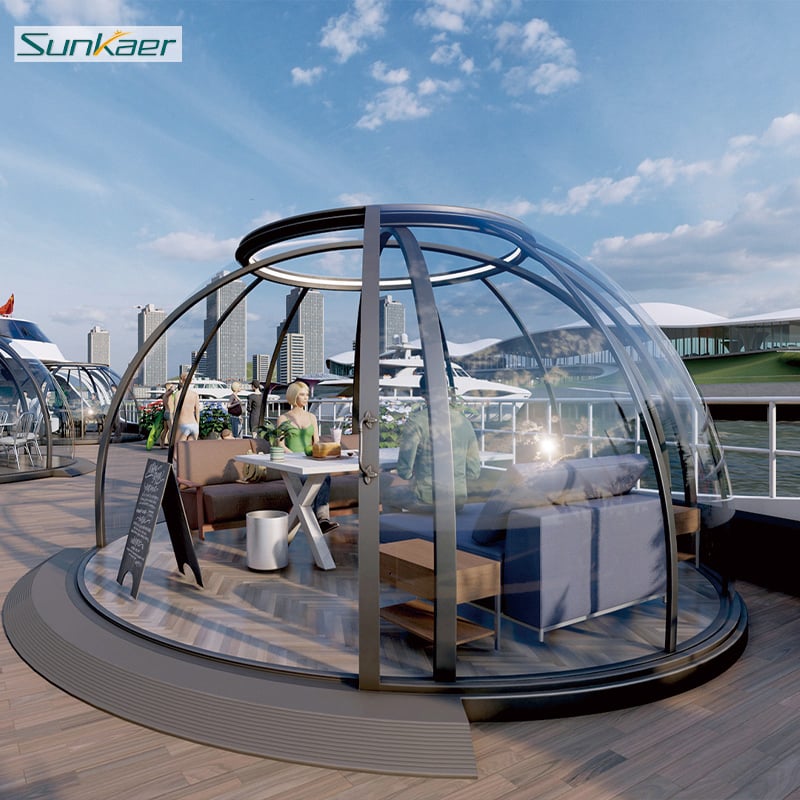
Dome houses represent a revolutionary approach to modern architecture, combining structural efficiency with aesthetic appeal to create versatile living and commercial spaces. These innovative structures have gained significant popularity among architects, developers, and property owners seeking sustainable, cost-effective building solutions. The unique geodesic design of dome houses offers exceptional strength-to-weight ratios while providing endless customization possibilities for both residential and commercial applications.
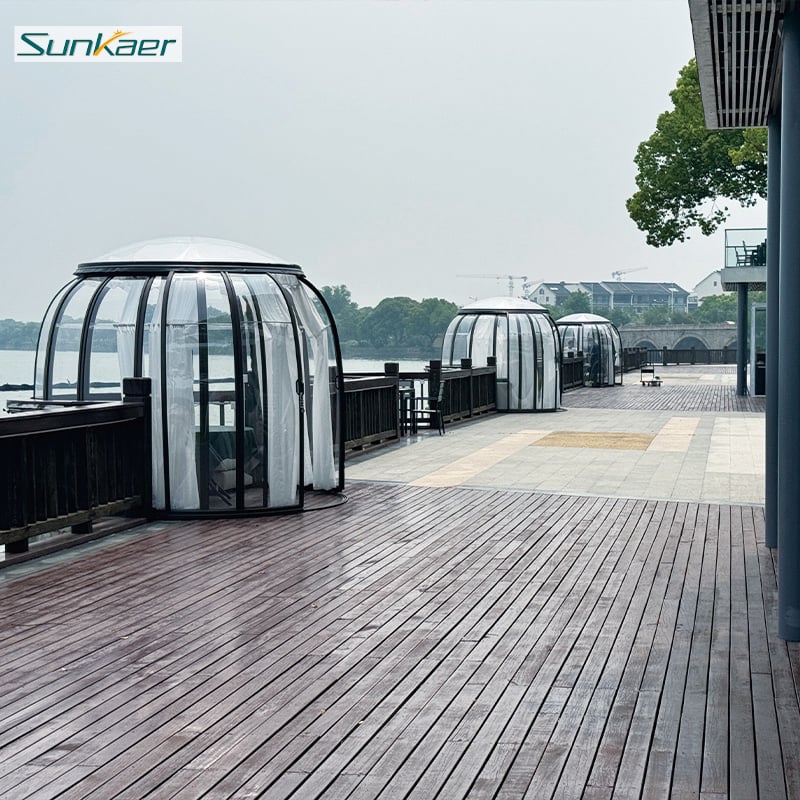
The adaptability of dome houses makes them suitable for diverse environments and purposes, from luxury residential retreats to innovative commercial establishments. Modern engineering techniques have transformed these structures from experimental concepts into practical, customizable buildings that meet contemporary design standards and building codes. Understanding the customization options available for dome houses enables property developers and homeowners to create unique spaces that reflect their specific needs and aesthetic preferences.
Structural Customization Options for Dome Houses
Foundation and Base Modifications
The foundation system of dome houses can be extensively customized to accommodate various site conditions and structural requirements. Engineers can design specialized foundation systems that work with sloped terrain, waterfront locations, or challenging soil conditions. Elevated foundations create additional storage space underneath dome houses while protecting against flooding or ground moisture. Some installations incorporate radiant heating systems directly into the foundation, providing efficient climate control throughout the structure.
Concrete slab foundations offer stability and thermal mass for dome houses in temperate climates, while pier and beam systems provide flexibility for uneven terrain. The integration of utility connections through the foundation allows for seamless incorporation of electrical, plumbing, and HVAC systems without compromising the structural integrity of the dome shell.
Frame Materials and Engineering
Modern dome houses utilize various frame materials including steel, aluminum, and engineered timber to achieve different performance characteristics and aesthetic goals. Steel framing provides maximum strength and spans for large commercial dome houses, while aluminum offers corrosion resistance and reduced weight for coastal installations. Engineered timber frames create warm, natural interiors that appeal to residential clients seeking organic design elements.
The geometric precision required for dome houses demands careful engineering calculations to ensure proper load distribution and structural stability. Advanced software modeling allows engineers to optimize the strut lengths and connection details for specific applications, whether residential or commercial. Custom engineering solutions can accommodate large openings for windows, doors, or skylights without compromising the inherent strength of the geodesic structure.
Interior Layout and Space Planning
Residential Interior Configurations
Residential dome houses offer unique opportunities for creative interior design that maximizes the available floor space while working with the curved walls. Multi-level designs utilize the vertical space efficiently, creating loft areas for bedrooms or office spaces while maintaining open floor plans on the main level. Custom-built furniture and storage solutions follow the curved walls, creating seamless integration between architecture and interior design.
Open-concept layouts work particularly well in dome houses, as the absence of load-bearing interior walls allows for flexible space planning. Kitchen islands and built-in seating areas can define functional zones without disrupting the flowing geometry of the interior space. Spiral staircases provide vertical circulation while serving as sculptural focal points that complement the organic architecture of dome houses.
Commercial Space Optimization
Commercial dome houses require careful space planning to accommodate business operations while maintaining the structural advantages of the geodesic design. Restaurant applications benefit from the open floor plans that facilitate efficient service flow and maximize seating capacity. Retail spaces can utilize the curved walls for creative product displays that enhance the shopping experience.
Office configurations in dome houses promote collaboration and creativity through open workspace designs that take advantage of the natural acoustics and lighting characteristics. Meeting rooms and private offices can be integrated using movable partitions or mezzanine levels that preserve the overall spatial quality of the dome interior. The inherent strength of dome houses allows for suspended elements and dramatic interior features that would be challenging in conventional structures.
Exterior Cladding and Weather Protection
Material Selection and Performance
The exterior cladding system of dome houses must address both aesthetic preferences and environmental performance requirements. Polycarbonate sheets offer durability and weather resistance while providing clean, modern appearances suitable for commercial applications.
High-performance composite materials combine the appearance of natural materials with enhanced durability and reduced maintenance requirements. These materials can be fabricated to follow the complex curves of dome houses while providing superior weather protection and insulation performance. Color and texture options allow dome houses to complement existing architectural styles or create distinctive landmark buildings.
Window and Door Integration
Custom window and door systems must accommodate the geometric requirements of dome houses while providing adequate natural light and access. Triangular and pentagonal window shapes follow the panel geometry of the dome structure, creating unique interior lighting effects and exterior visual interest. Large picture windows can be integrated into multiple panels to create dramatic views and passive solar heating.
Entry door systems require careful integration with the curved geometry of dome houses to ensure proper weather sealing and security. Custom door frames and threshold details accommodate the non-standard angles while maintaining accessibility and building code compliance. Sliding door systems work particularly well for dome houses, providing large openings for indoor-outdoor living or commercial access requirements.
Climate Control and Building Systems
HVAC System Design
The unique geometry of dome houses creates opportunities for highly efficient climate control systems that take advantage of natural air circulation patterns. Radiant heating systems integrated into the floor or walls provide even heat distribution without requiring extensive ductwork that could interfere with the clean interior lines of dome houses. Heat pump systems offer both heating and cooling capabilities while maintaining energy efficiency.
Natural ventilation strategies utilize the stack effect created by the dome shape to promote air circulation without mechanical systems. Operable windows or vents positioned at different levels create convection currents that naturally cool dome houses during warm weather. Smart building systems can automatically control these natural ventilation strategies based on weather conditions and occupancy patterns.
Electrical and Plumbing Integration
Electrical and plumbing systems in dome houses require careful planning to integrate with the geometric constraints of the structure. Conduit and piping runs must follow the panel edges or be concealed within the wall assemblies without compromising the structural elements. Radial distribution patterns from central utility cores minimize the length of service runs while maintaining accessibility for maintenance.
Smart home technology integrates seamlessly into dome houses, with wireless systems reducing the need for extensive wiring installations. Lighting systems can highlight the geometric patterns of the structure while providing functional illumination for residential or commercial activities. Emergency and security systems benefit from the clear sightlines and compact layout typical of dome houses.
Sustainable Features and Energy Efficiency
Solar Integration and Renewable Energy
The spherical geometry of dome houses provides excellent opportunities for solar panel integration, with multiple orientations available to optimize energy collection throughout the day. Building-integrated photovoltaic systems can follow the panel geometry to create seamless solar installations that maintain the architectural integrity of dome houses. Battery storage systems can be integrated into the structure to provide energy independence for remote locations.
Passive solar design principles work exceptionally well with dome houses, as the curved surfaces and compact form factor minimize heat loss while maximizing solar gain during winter months. Strategic window placement and thermal mass integration create comfortable interior environments with minimal mechanical heating and cooling requirements. Green roof systems can be integrated with dome houses to provide additional insulation and stormwater management.
Water Management and Conservation
Rainwater collection systems integrate naturally with the dome geometry, as the curved surfaces efficiently channel precipitation to collection points. Integrated gutters and downspouts can be concealed within the structure to maintain clean exterior lines while providing effective water management. Greywater systems and permeable paving around dome houses support sustainable site development practices.
Water-efficient fixtures and appliances reduce the environmental impact of dome houses while lowering operating costs for both residential and commercial applications. Drought-resistant landscaping complements the modern aesthetic of dome houses while reducing irrigation requirements and maintenance needs.
Commercial Applications and Revenue Generation
Hospitality and Tourism Uses
Commercial dome houses have found particular success in the hospitality industry, where their unique architecture creates memorable experiences for guests. Glamping resorts utilize dome houses as distinctive accommodation options that command premium pricing while requiring minimal site preparation. The structural efficiency of dome houses allows for rapid deployment in remote locations where traditional construction would be prohibitively expensive.
Event venues benefit from the open interior spaces and dramatic architecture of dome houses, creating unique settings for weddings, corporate retreats, and special occasions. The weather-resistant construction allows for year-round use, while the distinctive appearance generates social media interest and marketing value for hospitality businesses.
Retail and Restaurant Applications
Retail establishments housed in dome structures benefit from the distinctive architecture that attracts customers and creates brand differentiation. The open floor plans accommodate flexible merchandising layouts while the curved walls provide unique display opportunities. Restaurants in dome houses offer distinctive dining experiences that justify premium pricing and generate customer loyalty.
The acoustic properties of dome houses create intimate dining environments without requiring extensive sound treatment. Natural lighting through strategically placed windows reduces energy costs while creating appealing ambiance for commercial food service operations. The structural efficiency of dome houses allows for larger spans without interior columns, maximizing usable floor space for revenue-generating activities.
FAQ
What are the building code requirements for dome houses
Building codes for dome houses vary by location, but most jurisdictions require engineered drawings and structural calculations to verify compliance with local wind and snow load requirements. Professional engineers must certify that the geodesic design meets or exceeds conventional building standards for safety and habitability. Many areas now have specific provisions for alternative construction methods that streamline the approval process for dome houses.
How much does it cost to customize a dome house
Customization costs for dome houses depend on the size, materials, and complexity of the modifications required. Basic residential dome houses start around $50-80 per square foot for the shell, while extensive customization and high-end finishes can increase costs to $150-200 per square foot. Commercial applications with specialized systems and custom engineering typically require larger budgets but offer corresponding revenue generation potential.
Can dome houses be expanded or modified after construction
Dome houses can be modified and expanded through careful engineering and design integration. Additional dome modules can be connected to create larger spaces, while interior modifications can reconfigure layouts without affecting the structural shell. Professional engineering consultation is essential for any modifications to ensure structural integrity and building code compliance are maintained throughout the renovation process.
What maintenance requirements do dome houses have
Maintenance requirements for dome houses are typically lower than conventional structures due to the aerodynamic shape and durable materials used in construction. Regular inspection of exterior cladding, window seals, and mechanical systems ensures optimal performance. The curved surfaces shed precipitation effectively, reducing moisture-related maintenance issues common in traditional buildings. Professional maintenance schedules should be established based on local climate conditions and usage patterns.