 EN
EN

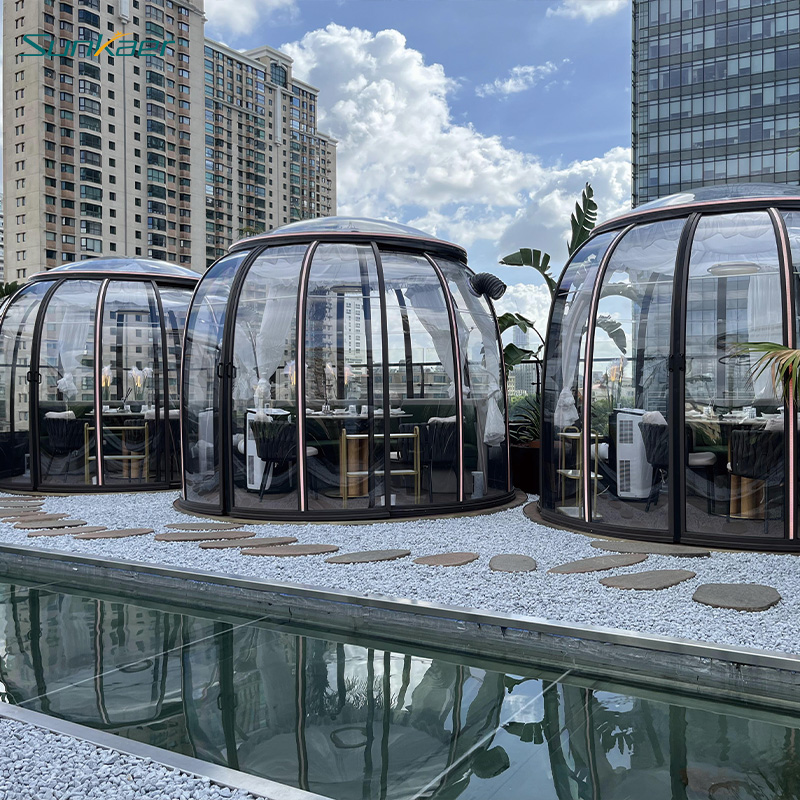
Understanding Dome Structures and Material Choices
Domes have become an increasingly popular solution across residential, commercial, and hospitality settings. Whether used for pool enclosures, outdoor lounges, dining spaces, or architectural highlights, a dome structure offers panoramic views, efficient space utilization, and a distinctive visual presence. However, the performance of a dome depends heavily on material selection. Choosing between polycarbonate and traditional materials such as glass, PVC, or acrylic directly affects durability, safety, maintenance, and long-term value.
Selecting the right dome material is not simply a design decision. It requires an understanding of environmental conditions, usage frequency, safety requirements, and lifecycle costs. By comparing polycarbonate with traditional materials, property owners and designers can make informed decisions that align with both functional needs and long-term expectations.
Overview of Common Dome Materials
Before evaluating which option is best, it is important to understand the core characteristics of the materials most commonly used in dome construction. Each material brings distinct advantages and limitations that influence performance in real-world applications.
Polycarbonate as a Modern Structural Material
Polycarbonate is a high-performance thermoplastic widely used in architectural and industrial applications. It is known for its exceptional impact resistance, lightweight structure, and ability to maintain clarity under prolonged environmental exposure. In dome applications, polycarbonate panels provide transparency similar to glass while offering greater flexibility and durability.
Because polycarbonate can be formed into curved shapes without compromising strength, it is particularly well suited for dome structures that require seamless curvature and uniform load distribution.
Traditional Materials Used in Dome Construction
Traditional dome materials typically include glass, PVC, and acrylic. Glass is valued for its clarity and premium appearance, while PVC and acrylic are often chosen for lower initial cost or ease of fabrication. These materials have been used for decades, but their limitations become more apparent in demanding or long-term applications.
Understanding how these traditional materials perform under stress, weather exposure, and daily use is essential when comparing them to polycarbonate alternatives.
Structural Strength and Impact Resistance
One of the most critical factors in dome selection is structural safety. Domes are exposed to wind loads, potential impacts, and environmental stress, making material strength a key consideration.
Polycarbonate Impact Performance
Polycarbonate is widely recognized for its high impact resistance. It can withstand significant force without shattering, making it suitable for environments where safety is a priority. This characteristic is especially important for domes used in public spaces, pool areas, or regions with extreme weather conditions.
Even under impact, polycarbonate tends to deform rather than break, reducing the risk of injury and maintaining structural integrity.
Limitations of Glass and Other Traditional Materials
Glass offers excellent clarity but is inherently brittle. While tempered or laminated glass improves safety, it remains heavier and more prone to breakage compared to polycarbonate. PVC and acrylic provide better impact resistance than standard glass but are still more susceptible to cracking and deformation over time.
In applications where durability and occupant safety are critical, these limitations can become significant drawbacks.
Weight and Structural Load Considerations
The weight of a dome material directly affects the design of the supporting structure, foundation requirements, and installation complexity.
Lightweight Advantages of Polycarbonate
Polycarbonate panels are significantly lighter than glass, reducing the overall load on the supporting framework. This allows for more flexible structural designs, larger spans, and simplified installation processes. Lightweight materials also reduce transportation and handling challenges during construction.
Lower structural load can be particularly beneficial when installing domes on existing buildings or pool decks where foundation capacity may be limited.
Heavier Load from Traditional Materials
Glass domes require stronger frames and foundations to support their weight. This increases material usage, installation time, and overall project cost. PVC and acrylic are lighter than glass but may still require additional reinforcement due to their lower structural stiffness.
These factors can complicate design and increase long-term maintenance demands.
Durability and Resistance to Environmental Exposure
Dome structures are continuously exposed to sunlight, temperature changes, moisture, and pollutants. Material durability under these conditions is essential for long-term performance.
Polycarbonate Resistance to Aging and UV Exposure
High-quality polycarbonate panels are engineered with UV-resistant layers that protect against yellowing and material degradation. This allows the dome to maintain transparency and strength over extended periods, even in regions with strong sunlight.
Polycarbonate also performs well across a wide temperature range, maintaining stability without becoming brittle in cold conditions or softening excessively in heat.
Environmental Challenges for Traditional Materials
Glass maintains clarity over time but can suffer from seal failures, thermal stress, and breakage due to temperature fluctuations. PVC is prone to discoloration and loss of rigidity under prolonged UV exposure, while acrylic may yellow or craze over time.
These aging effects can reduce visual appeal and lead to higher replacement or repair costs.
Thermal Performance and Comfort
Thermal behavior plays a major role in user comfort, particularly for domes used as enclosed or semi-enclosed spaces.
Insulation Benefits of Polycarbonate Domes
Polycarbonate panels offer better thermal insulation compared to single-layer glass. Their structure helps reduce heat transfer, contributing to more stable interior temperatures. This makes polycarbonate domes suitable for year-round use in various climates.
Improved insulation can also reduce energy consumption for heating or cooling enclosed spaces.
Thermal Limitations of Traditional Materials
Glass allows significant heat transfer, which can lead to overheating in sunny conditions or heat loss in colder weather. While double or triple glazing can improve insulation, it adds weight and cost. PVC and acrylic offer moderate insulation but may degrade under sustained temperature stress.
Thermal performance differences become more pronounced in domes intended for extended occupancy.
Maintenance and Long-Term Upkeep
Maintenance requirements influence both operating costs and long-term satisfaction with a dome installation.
Low Maintenance Characteristics of Polycarbonate
Polycarbonate surfaces are easy to clean and resistant to corrosion and staining. With proper material selection, they maintain clarity and performance with minimal upkeep. This makes polycarbonate domes suitable for both private and commercial environments where maintenance resources may be limited.
Reduced maintenance also contributes to predictable long-term costs.
Ongoing Maintenance for Traditional Materials
Glass requires frequent cleaning to maintain clarity and may need seal replacement over time. PVC and acrylic surfaces can scratch more easily and may require replacement as discoloration or brittleness develops.
Higher maintenance demands can offset any initial cost savings associated with traditional materials.
Design Flexibility and Application Range
Material choice affects not only performance but also design possibilities.
Design Freedom with Polycarbonate
Polycarbonate can be molded into complex curved shapes, allowing for seamless dome designs with consistent panel geometry. This flexibility supports customized dimensions and innovative architectural concepts without compromising structural integrity.
Its adaptability makes polycarbonate suitable for a wide range of dome applications, from pools and gardens to commercial enclosures.
Design Constraints of Traditional Materials
Glass domes require precise fabrication and heavy framing, limiting design flexibility. PVC and acrylic offer more shaping options but may lack the structural consistency required for larger or more complex domes.
Design limitations can restrict how well a dome integrates with its surrounding environment.
Cost Considerations and Long-Term Value
While initial material cost is often a deciding factor, long-term value provides a more accurate measure of suitability.
Evaluating Polycarbonate Lifecycle Value
Polycarbonate may have a higher upfront cost than some traditional materials, but its durability, safety, and low maintenance requirements contribute to lower lifecycle costs. The extended service life and reduced risk of damage provide long-term economic advantages.
For many applications, this balance results in better overall value rather than simply lower initial expenditure.
Hidden Costs of Traditional Materials
Traditional materials may appear cost-effective initially but can incur higher expenses over time due to maintenance, repairs, or replacements. Structural reinforcement requirements and energy inefficiencies further add to long-term costs.
Considering total ownership cost helps clarify these differences.
Choosing the Best Dome for Your Specific Needs
Selecting between polycarbonate and traditional materials depends on intended use, environmental exposure, and performance expectations.
Residential and Leisure Applications
For residential domes used around pools, gardens, or living spaces, polycarbonate offers safety, comfort, and long-term reliability. Its impact resistance and thermal performance enhance everyday usability.
Commercial and Public Installations
In commercial or public settings, durability, safety, and predictable maintenance are critical. Polycarbonate domes meet these demands while supporting flexible design and efficient operation.
Traditional materials may still be suitable for decorative or low-exposure applications, but their limitations should be carefully evaluated.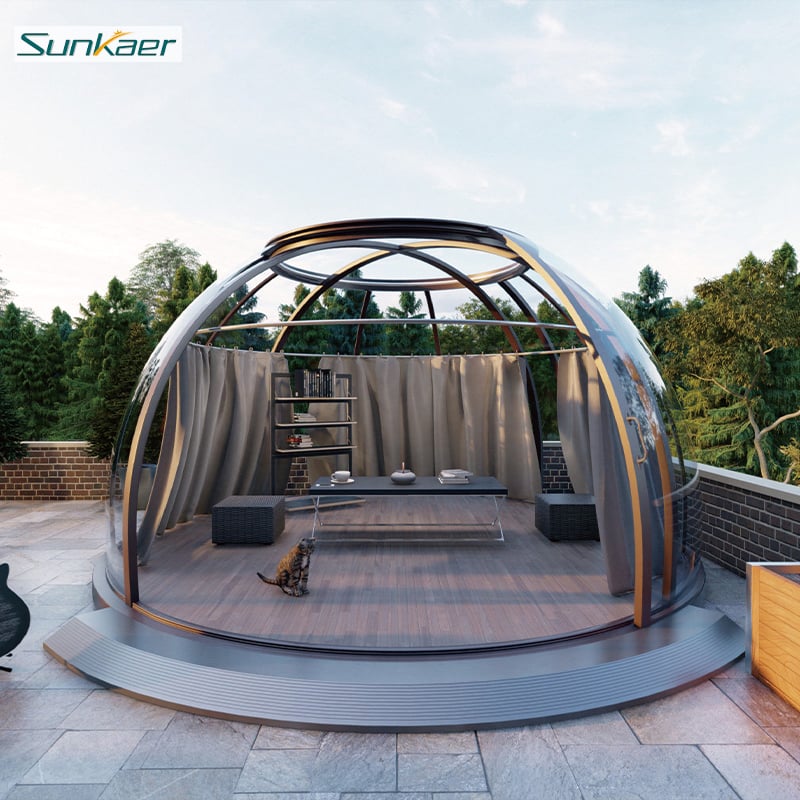
FAQ
Is polycarbonate stronger than glass for dome structures
Yes, polycarbonate is significantly more impact-resistant than glass and is less likely to shatter, making it safer for dome applications.
Does polycarbonate maintain clarity over time
High-quality polycarbonate panels are designed with UV protection to resist yellowing and maintain transparency for many years under normal conditions.
Are traditional materials ever a better choice for domes
Traditional materials may be suitable for decorative or short-term installations where impact resistance and thermal performance are less critical.
Which material is better for year-round dome use
Polycarbonate is generally better suited for year-round use due to its durability, thermal insulation, and resistance to environmental stress.
Table of Contents
- Understanding Dome Structures and Material Choices
- Overview of Common Dome Materials
- Structural Strength and Impact Resistance
- Weight and Structural Load Considerations
- Durability and Resistance to Environmental Exposure
- Thermal Performance and Comfort
- Maintenance and Long-Term Upkeep
- Design Flexibility and Application Range
- Cost Considerations and Long-Term Value
- Choosing the Best Dome for Your Specific Needs
- FAQ
- Is polycarbonate stronger than glass for dome structures
- Does polycarbonate maintain clarity over time
- Are traditional materials ever a better choice for domes
- Which material is better for year-round dome use