 EN
EN

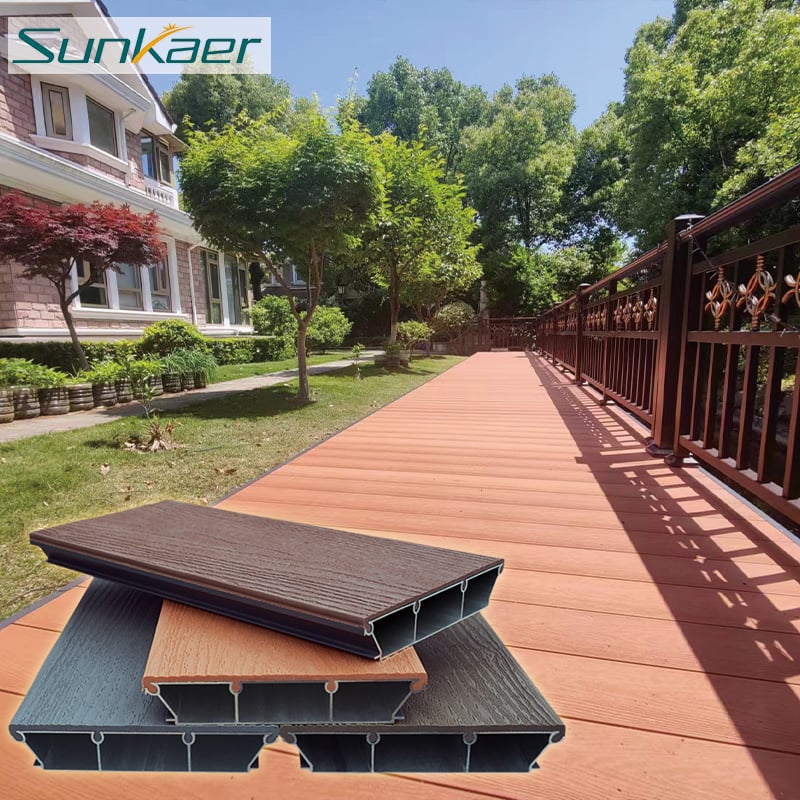
Redefining Outdoor Flooring with Structural Performance
Outdoor spaces are no longer treated as secondary areas. Patios, balconies, courtyards, and terraces are increasingly designed as functional extensions of indoor living. This shift places higher demands on outdoor flooring systems, especially in terms of durability, water resistance, and long-term structural reliability. Traditional wood or composite decks often struggle to meet these expectations, particularly in environments exposed to rain, humidity, or temperature fluctuations.
A Waterproof Aluminum TPV System for Patio addresses these challenges by combining engineered aluminum decking with TPV surface technology. Rather than functioning as a simple walking surface, this system acts as a fully integrated outdoor flooring solution that manages water, resists deformation, and supports long-term use across a wide range of applications.
Why Waterproof Decking Matters in Modern Outdoor Design
Water management is one of the most critical yet often overlooked aspects of patio and deck construction. Poor drainage and moisture absorption can compromise both safety and structural integrity over time.
Limitations of Conventional Deck Materials
Traditional wood decking is prone to swelling, warping, cracking, and rot when exposed to moisture. Even treated wood requires frequent maintenance to prevent deterioration. Composite materials improve durability but may still allow water penetration through joints, leading to mold growth or substructure damage.
These limitations often result in increased maintenance costs and reduced lifespan, particularly in patios built over living spaces or enclosed areas.
Functional Value of a Fully Waterproof System
A Waterproof Aluminum TPV System for Patio is designed to create a sealed surface that prevents water from passing through the deck. This allows the space below to remain dry and usable, enabling multi-level outdoor designs and protecting underlying structures from moisture-related damage.
Understanding the Aluminum TPV Decking System
The performance of this system lies in the combination of structural aluminum decking and a TPV-based surface layer. Each component contributes specific functional advantages.
Aluminum as the Structural Core
Aluminum decking panels form the primary load-bearing structure. Aluminum is inherently resistant to rust and corrosion, making it suitable for outdoor environments with high humidity or frequent rainfall. Unlike wood-based systems, aluminum does not absorb moisture or change shape over time.
Its high strength-to-weight ratio allows for stable installation without excessive substructure reinforcement, supporting long spans while maintaining structural integrity.
TPV Surface Technology for Comfort and Protection
TPV, or thermoplastic vulcanizate, is used as the surface layer of the decking system. This material provides a slip-resistant, comfortable walking surface while enhancing waterproof performance. TPV also offers resistance to UV exposure, temperature variation, and surface wear.
The combination of aluminum and TPV creates a balanced system that delivers both structural durability and user comfort.
Waterproof Performance Beyond Surface Protection
Waterproofing in an outdoor deck system involves more than repelling surface moisture. It requires comprehensive control over how water interacts with the entire structure.
Integrated Drainage and Sealing Design
A Waterproof Aluminum TPV System for Patio is engineered with interlocking panels and sealed joints that prevent water penetration. Rainwater is directed away from the deck surface and managed efficiently, reducing the risk of pooling or leakage.
This integrated approach ensures consistent waterproof performance without relying on additional membranes or coatings.
Protection of Substructures and Interior Spaces
When patios or balconies are built above living areas, waterproof integrity becomes even more critical. Aluminum TPV decking protects ceilings, walls, and interior finishes below by preventing water infiltration, extending the lifespan of the entire building structure.
Durability and Long-Term Structural Stability
Outdoor flooring systems are exposed to constant environmental stress. Material stability over time is a key factor in long-term performance.
Resistance to Deformation and Aging
Aluminum decking does not warp, crack, or rot, even after years of exposure to moisture and temperature changes. TPV surfaces maintain elasticity and grip without becoming brittle or excessively soft.
This stability ensures that the deck retains its original alignment, appearance, and safety characteristics throughout its service life.
Corrosion and Weather Resistance
Aluminum’s natural resistance to corrosion makes it suitable for coastal regions, rainy climates, and areas with temperature extremes. Unlike steel or wood, it does not require frequent protective treatments to maintain performance.
Safety and Comfort in Everyday Use
A patio deck must support not only durability but also daily comfort and safety for users.
Slip Resistance in Wet Conditions
The TPV surface layer enhances traction, reducing slip risk even when the deck is wet. This feature is especially important for patios near pools, gardens, or entry points exposed to rain.
Temperature and Surface Comfort
Unlike some metal surfaces that become excessively hot or cold, TPV provides a more stable and comfortable walking surface. This improves usability across different seasons and weather conditions.
Design Flexibility for Multiple Outdoor Applications
A Waterproof Aluminum TPV System for Patio is adaptable to various architectural and landscape designs.
Patios and Terraces
For ground-level patios and elevated terraces, aluminum TPV decking provides a clean, modern appearance while supporting long-term outdoor use. The waterproof nature of the system allows for confident installation in areas exposed to direct rainfall.
Balconies and Courtyards
In balconies and courtyards, weight and water control are critical considerations. Aluminum decking offers lightweight strength, while the waterproof design protects building structures and adjacent spaces.
Low Maintenance Compared to Traditional Decking
Maintenance requirements significantly influence long-term satisfaction with outdoor flooring systems.
Minimal Upkeep Requirements
Aluminum TPV decking does not require staining, sealing, or painting. Routine cleaning is typically sufficient to maintain appearance and performance, reducing time and cost associated with upkeep.
Consistent Appearance Over Time
The materials resist fading, corrosion, and surface degradation. This consistency supports long-term aesthetic value without frequent refurbishment.
Environmental and Practical Efficiency
Beyond durability, aluminum TPV systems contribute to more efficient use of materials and space.
Sustainable Material Performance
Aluminum is recyclable and maintains its properties through repeated use cycles. Long service life reduces the need for replacement, supporting resource efficiency over time.
Maximizing Usable Outdoor Space
By creating a waterproof surface, the system enables functional use of spaces below the deck. This expands usable square footage without additional construction.
Comparing Aluminum TPV Systems to Conventional Decking
When evaluated against traditional wood or composite decks, the advantages of aluminum TPV systems become clear.
Structural and Functional Comparison
Traditional decks often prioritize appearance over performance, leading to compromises in waterproofing and longevity. A Waterproof Aluminum TPV System for Patio is designed as a complete structural solution, not just a surface covering.
Long-Term Value Considerations
Although initial investment may differ, reduced maintenance, extended lifespan, and enhanced functionality contribute to superior long-term value.
Selecting the Right Decking System for Your Project
Choosing an outdoor flooring system requires balancing design goals, environmental conditions, and long-term performance expectations.
Residential Outdoor Living Spaces
For homeowners seeking reliable, low-maintenance patio solutions, aluminum TPV decking provides peace of mind and consistent usability across seasons.
Commercial and Multi-Unit Developments
In commercial or multi-unit settings, waterproof aluminum decking supports safety, durability, and predictable maintenance costs, making it suitable for high-traffic environments.
FAQ
What makes an aluminum TPV decking system fully waterproof
The system uses interlocking aluminum panels and sealed joints that prevent water from passing through the deck surface, protecting structures below.
Is aluminum decking suitable for rainy or humid climates
Yes, aluminum resists corrosion and does not absorb moisture, making it ideal for environments with frequent rain or high humidity.
Does the TPV surface improve safety
The TPV layer enhances slip resistance and walking comfort, especially in wet conditions or high-use areas.
How does maintenance compare to wood decking
Aluminum TPV decking requires significantly less maintenance, as it does not need sealing, staining, or frequent repairs.
Table of Contents
- Redefining Outdoor Flooring with Structural Performance
- Why Waterproof Decking Matters in Modern Outdoor Design
- Understanding the Aluminum TPV Decking System
- Waterproof Performance Beyond Surface Protection
- Durability and Long-Term Structural Stability
- Safety and Comfort in Everyday Use
- Design Flexibility for Multiple Outdoor Applications
- Low Maintenance Compared to Traditional Decking
- Environmental and Practical Efficiency
- Comparing Aluminum TPV Systems to Conventional Decking
- Selecting the Right Decking System for Your Project
- FAQ
- What makes an aluminum TPV decking system fully waterproof
- Is aluminum decking suitable for rainy or humid climates
- Does the TPV surface improve safety
- How does maintenance compare to wood decking