 EN
EN

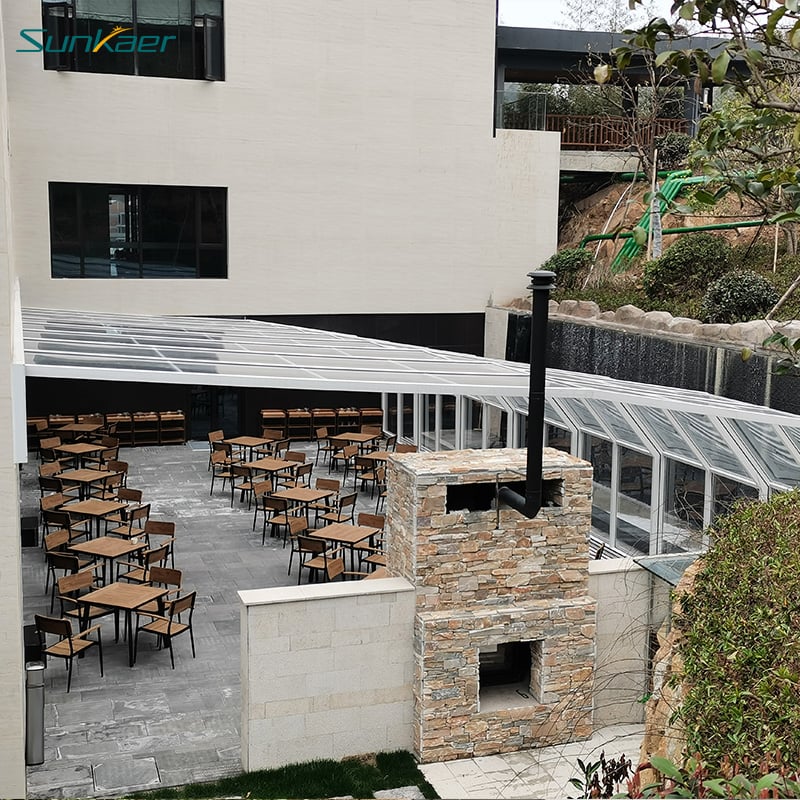
Homeowners seeking to expand their living spaces while maintaining connection to the outdoors are increasingly turning to innovative solutions that blend indoor comfort with outdoor accessibility. Polycarbonate retractable sunrooms represent a revolutionary approach to seasonal outdoor living, offering unprecedented flexibility in how you utilize your patio, deck, or garden area. These versatile structures provide protection from the elements while allowing you to enjoy fresh air and natural light whenever desired. Unlike traditional fixed sunrooms or permanent glass enclosures, polycarbonate retractable sunrooms can be opened or closed based on weather conditions, seasonal preferences, and specific activities.
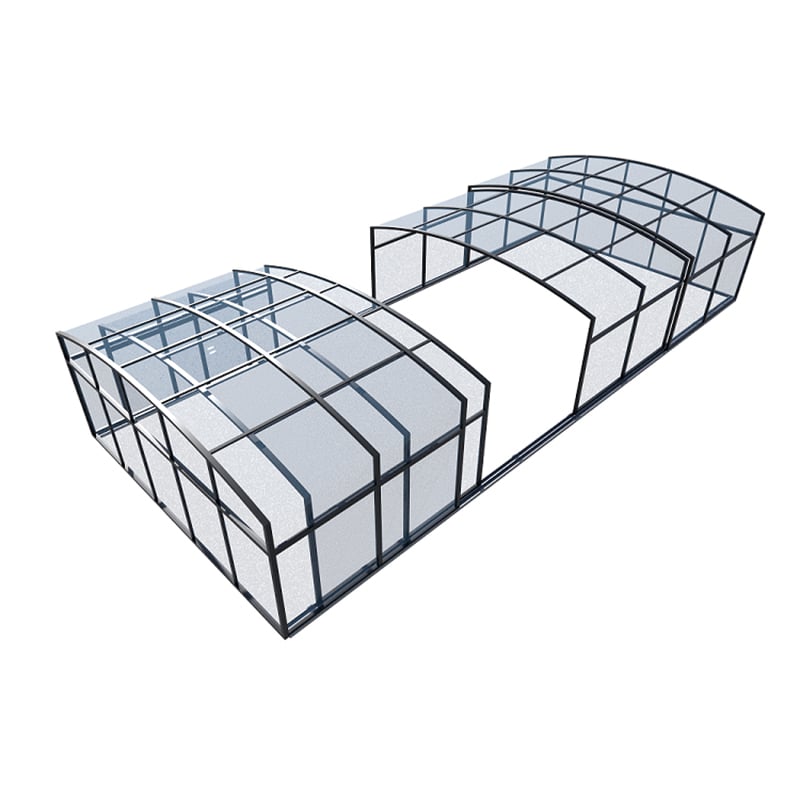
The growing popularity of polycarbonate retractable sunrooms stems from their unique combination of durability, functionality, and aesthetic appeal. These structures utilize advanced polycarbonate panels that offer exceptional strength while remaining lightweight and transparent. The retractable mechanism allows for complete customization of your outdoor experience, transforming a covered space into an open-air environment within minutes. This adaptability makes them ideal for regions with variable weather patterns, where homeowners want the option to enjoy outdoor spaces regardless of rain, wind, or intense sunlight.
Investment in polycarbonate retractable sunrooms represents more than just adding square footage to your home. These structures create versatile entertainment areas, protected garden spaces, and year-round outdoor dining opportunities. The transparency of polycarbonate materials ensures that natural light penetrates the space effectively, creating bright, welcoming environments that feel connected to the surrounding landscape. Modern designs incorporate sleek aluminum frames and sophisticated operating systems that enhance both functionality and visual appeal.
Understanding Polycarbonate Materials and Benefits
Superior Durability and Weather Resistance
Polycarbonate panels used in retractable sunrooms offer remarkable durability compared to traditional glass alternatives. These materials can withstand impact forces up to 250 times greater than glass of equivalent thickness, making them virtually unbreakable under normal weather conditions. The inherent flexibility of polycarbonate allows it to bend without cracking during high winds or when subjected to thermal expansion and contraction. This resilience translates to long-term performance with minimal maintenance requirements, even in challenging climatic conditions.
Weather resistance is a critical advantage of polycarbonate retractable sunrooms, as the material performs exceptionally well across temperature extremes. Polycarbonate maintains its structural integrity in temperatures ranging from -40°F to 280°F, ensuring consistent performance throughout seasonal variations. The material naturally resists UV degradation, preventing the yellowing and brittleness that can affect other transparent materials over time. Advanced polycarbonate formulations include UV-protective coatings that extend lifespan while maintaining optical clarity for decades.
Hail resistance is another significant benefit, particularly important for homeowners in regions prone to severe weather events. Polycarbonate panels can absorb and distribute impact energy effectively, preventing the catastrophic failure that might occur with glass panels. This durability reduces insurance concerns and long-term replacement costs, making polycarbonate retractable sunrooms a practical investment for areas with unpredictable weather patterns.
Thermal Performance and Energy Efficiency
The thermal properties of polycarbonate materials contribute significantly to the energy efficiency of retractable sunrooms. Multi-wall polycarbonate panels incorporate air chambers that provide excellent insulation values, reducing heat transfer and maintaining comfortable interior temperatures. These insulating properties help minimize heating and cooling costs when the sunroom is enclosed, while the retractable feature allows for natural ventilation when desired.
Light transmission characteristics of polycarbonate optimize natural illumination while controlling heat gain. High-quality polycarbonate panels allow up to 90% light transmission while filtering harmful UV rays, creating bright interior spaces without the greenhouse effect common in glass structures. This balance between light and heat control makes polycarbonate retractable sunrooms comfortable throughout the day, reducing reliance on artificial lighting and mechanical climate control systems.
Advanced polycarbonate formulations offer customizable thermal properties through various thickness options and cellular configurations. Twin-wall, triple-wall, and multi-wall designs provide different insulation values, allowing homeowners to select specifications that match their specific climate requirements and energy efficiency goals. The lightweight nature of polycarbonate also reduces structural load requirements, potentially simplifying installation and reducing foundation costs.
Retractable Mechanisms and Design Features
Operating Systems and User Controls
Modern polycarbonate retractable sunrooms incorporate sophisticated operating mechanisms that ensure smooth, reliable operation over thousands of cycles. Manual systems utilize precision-engineered gear ratios that allow effortless opening and closing with minimal physical effort, while motorized options provide push-button convenience for larger installations. The choice between manual and automatic operation depends on sunroom size, frequency of use, and personal preference for convenience versus simplicity.
Track systems form the foundation of reliable retractable operation, with high-grade aluminum or stainless steel rails ensuring smooth panel movement regardless of weather conditions. Premium track designs incorporate drainage channels and debris-clearing mechanisms that prevent operational issues caused by leaves, dirt, or ice accumulation. Self-cleaning track profiles and corrosion-resistant materials ensure consistent performance with minimal maintenance intervention.
Control integration options for motorized polycarbonate retractable sunrooms include remote controls, smartphone applications, and integration with home automation systems. Weather sensors can automatically close the sunroom when rain or high winds are detected, protecting furniture and maintaining interior comfort. Timer functions allow scheduled operation, such as automatic morning opening or evening closure, enhancing the convenience and usability of the outdoor living space.
Structural Engineering and Safety Features
The engineering behind polycarbonate retractable sunrooms focuses on balancing structural strength with operational flexibility. Aluminum framework systems utilize aerospace-grade alloys that provide exceptional strength-to-weight ratios while resisting corrosion and thermal expansion issues. Strategic reinforcement points and wind-load calculations ensure the structure can withstand local weather conditions while maintaining smooth retractable operation.
Safety features integrated into quality polycarbonate retractable sunrooms include obstruction sensors, emergency stop mechanisms, and fail-safe locking systems. These features prevent damage to the structure or injury to users during operation, particularly important for motorized systems. Manual override capabilities ensure functionality even during power outages, maintaining access and protection when needed most.
Sealing systems play a crucial role in weather protection and energy efficiency when polycarbonate retractable sunrooms are in the closed position. Advanced weatherstripping materials and compression seals prevent water infiltration, air leakage, and pest entry while maintaining operational smoothness. Multiple sealing points and overlapping panel designs create weatherproof barriers that rival permanent structures in their protective capabilities.
Installation Considerations and Site Requirements
Foundation and Structural Preparation
Successful installation of polycarbonate retractable sunrooms begins with proper site evaluation and foundation preparation. The existing patio, deck, or ground surface must provide adequate support for the structural loads while ensuring proper drainage and levelness. Concrete foundations typically require minimal modifications, while wooden decks may need reinforcement to handle the additional weight and wind loads associated with the enclosed structure.
Electrical preparation is essential for motorized polycarbonate retractable sunrooms, requiring appropriate circuit installation and weatherproof connections. Licensed electricians should handle all electrical work to ensure compliance with local codes and safety standards. Power requirements vary based on motor specifications and optional features such as lighting, heating, or automated controls integrated into the sunroom design.
Drainage considerations become critical during installation planning, as proper water management prevents operational issues and structural damage. The installation site must slope away from the structure to prevent water accumulation, while integrated drainage systems channel rainwater away from tracks and mechanical components. Professional installation teams assess existing drainage patterns and make necessary modifications to ensure long-term performance.
Permits and Code Compliance
Building permit requirements for polycarbonate retractable sunrooms vary significantly based on local jurisdictions and the specific installation parameters. Many areas classify retractable structures differently than permanent additions, potentially simplifying the permit process while still requiring compliance with setback, height, and safety regulations. Homeowners should consult with local building departments early in the planning process to understand specific requirements and timeline expectations.
Homeowner association regulations may impose additional restrictions on polycarbonate retractable sunrooms, particularly regarding aesthetics, size limitations, and operational noise considerations. Review of HOA covenants and architectural guidelines should precede any purchase decisions, as some communities require design approval or impose specific material requirements. Professional installers familiar with local regulations can provide valuable guidance throughout the approval process.
Wind load calculations and structural engineering may be required for permits, particularly in areas prone to severe weather events. Professional engineers can provide stamped drawings and calculations demonstrating compliance with local building codes, ensuring the polycarbonate retractable sunrooms meet safety standards for the specific installation site. This documentation becomes essential for insurance coverage and future property transfers.
Cost Analysis and Value Proposition
Initial Investment and Pricing Factors
The cost of polycarbonate retractable sunrooms varies significantly based on size, features, and installation complexity, with typical investments ranging from $15,000 to $50,000 for residential applications. Size represents the primary cost driver, as larger installations require more materials, more complex structural systems, and increased labor for proper installation. Premium features such as motorized operation, integrated lighting, and advanced control systems add to the initial investment but enhance long-term usability and convenience.
Material quality significantly impacts both initial costs and long-term value, with premium polycarbonate panels and aluminum framework systems commanding higher prices but delivering superior durability and performance. Installation complexity varies based on site conditions, with simple patio installations costing less than elevated deck installations or complex multi-level structures. Professional installation ensures proper operation and warranty coverage, representing a worthwhile investment despite higher initial costs compared to DIY options.
Regional labor costs and material availability affect pricing for polycarbonate retractable sunrooms, with metropolitan areas typically experiencing higher installation costs but greater contractor availability. Seasonal demand fluctuations can influence pricing and scheduling, with spring and early summer representing peak installation periods. Planning installations during off-peak seasons may provide cost savings while ensuring adequate time for proper installation before peak usage periods.
Long-term Return on Investment
Property value enhancement represents a significant component of the return on investment for polycarbonate retractable sunrooms, with quality installations typically adding 60-80% of their cost to home values. Real estate professionals recognize these structures as desirable features that expand usable living space while providing unique functionality not available in traditional home additions. The versatility and year-round usability of polycarbonate retractable sunrooms appeal to potential buyers seeking outdoor living solutions.
Energy savings contribute to ongoing returns through reduced heating and cooling costs when the sunroom provides additional insulated space or natural ventilation options. The ability to capture solar heat during winter months while providing shaded outdoor space during summer can reduce HVAC loads on the main house. LED lighting integration and natural illumination from polycarbonate panels can also reduce electrical consumption compared to indoor entertainment areas.
Maintenance cost advantages of polycarbonate retractable sunrooms compared to traditional glass structures provide ongoing savings through reduced cleaning requirements and virtually no risk of glass replacement. The durability of polycarbonate materials eliminates concerns about hail damage, thermal stress cracking, or impact damage that can plague glass installations. Annual maintenance typically involves basic cleaning and lubrication, making these structures cost-effective to maintain over their multi-decade lifespan.
Maintenance and Care Requirements
Routine Cleaning and Inspection
Maintaining polycarbonate retractable sunrooms requires minimal effort compared to traditional glass structures, with routine cleaning representing the primary maintenance requirement. Polycarbonate panels can be cleaned using standard household detergents and soft cloths or sponges, avoiding abrasive materials that might scratch the surface. Regular cleaning every 2-3 months maintains optical clarity and prevents buildup of dirt, pollen, or organic matter that could stain the panels over time.
Track and mechanism inspection should be performed quarterly to ensure smooth operation and identify potential issues before they impact functionality. This inspection involves checking for debris accumulation, verifying proper lubrication of moving parts, and testing operational smoothness throughout the full range of motion. Early detection of wear or adjustment needs prevents more serious mechanical issues and ensures reliable operation when the sunroom is needed most.
Seasonal maintenance tasks for polycarbonate retractable sunrooms include thorough cleaning before and after peak usage periods, inspection of sealing systems, and verification of drainage function. Winter preparation may involve applying protective treatments to metal components and ensuring proper operation in cold temperatures. Spring preparation focuses on cleaning accumulated debris and verifying that all systems function properly after the dormant season.
Troubleshooting and Professional Service
Common operational issues with polycarbonate retractable sunrooms typically involve track alignment, lubrication needs, or minor adjustments to panel positioning. Many issues can be resolved through basic maintenance procedures, such as cleaning tracks, applying appropriate lubricants, or adjusting panel alignment according to manufacturer guidelines. Understanding basic troubleshooting procedures helps homeowners maintain optimal performance while identifying when professional service is necessary.
Professional service intervals depend on usage frequency and environmental conditions, with most polycarbonate retractable sunrooms benefiting from annual professional inspection and adjustment. Service technicians can perform detailed mechanical adjustments, replace worn components, and update control systems as needed. Warranty coverage typically requires professional installation and may specify service intervals to maintain coverage validity.
Component replacement needs are minimal for quality polycarbonate retractable sunrooms, with most wearing parts designed for easy replacement without major disassembly. Weatherstripping, rollers, and control components represent the most commonly replaced items over the structure's lifespan. Availability of replacement parts and authorized service providers should be considered when selecting manufacturers and installation companies to ensure long-term support.
FAQ
How long do polycarbonate retractable sunrooms typically last
Quality polycarbonate retractable sunrooms are designed to provide 20-30 years of reliable service when properly maintained and installed by professionals. The polycarbonate panels themselves can maintain structural integrity and optical clarity for decades, while aluminum framework systems resist corrosion and weathering throughout their lifespan. Regular maintenance and appropriate usage patterns can extend service life significantly, making these structures excellent long-term investments for outdoor living enhancement.
Can polycarbonate retractable sunrooms be used year-round
Yes, polycarbonate retractable sunrooms are designed for year-round use in most climates, with the ability to provide enclosed protection during harsh weather and open-air enjoyment during favorable conditions. The thermal properties of polycarbonate panels make enclosed spaces comfortable during cooler months, while the retractable feature allows natural ventilation during warm weather. Optional heating and cooling systems can extend comfort ranges further, creating truly four-season outdoor living spaces.
What maintenance is required for optimal performance
Maintenance requirements for polycarbonate retractable sunrooms are minimal, involving regular cleaning of panels and tracks, periodic lubrication of moving parts, and seasonal inspection of sealing systems. Most homeowners can perform routine maintenance tasks using common household supplies and following manufacturer guidelines. Annual professional service helps identify and address potential issues before they impact operation, ensuring reliable performance and maintaining warranty coverage.
How do polycarbonate retractable sunrooms perform in severe weather
Polycarbonate retractable sunrooms are engineered to withstand severe weather conditions when properly designed and installed for local climate requirements. The impact resistance of polycarbonate panels provides excellent hail protection, while flexible mounting systems accommodate wind loads and thermal expansion. Automated control systems can respond to weather sensors by closing the structure when severe conditions are detected, protecting both the sunroom and its contents from damage.